
Crack Control in Concrete: How Fibres Help Reduce Shrinkage and Damage
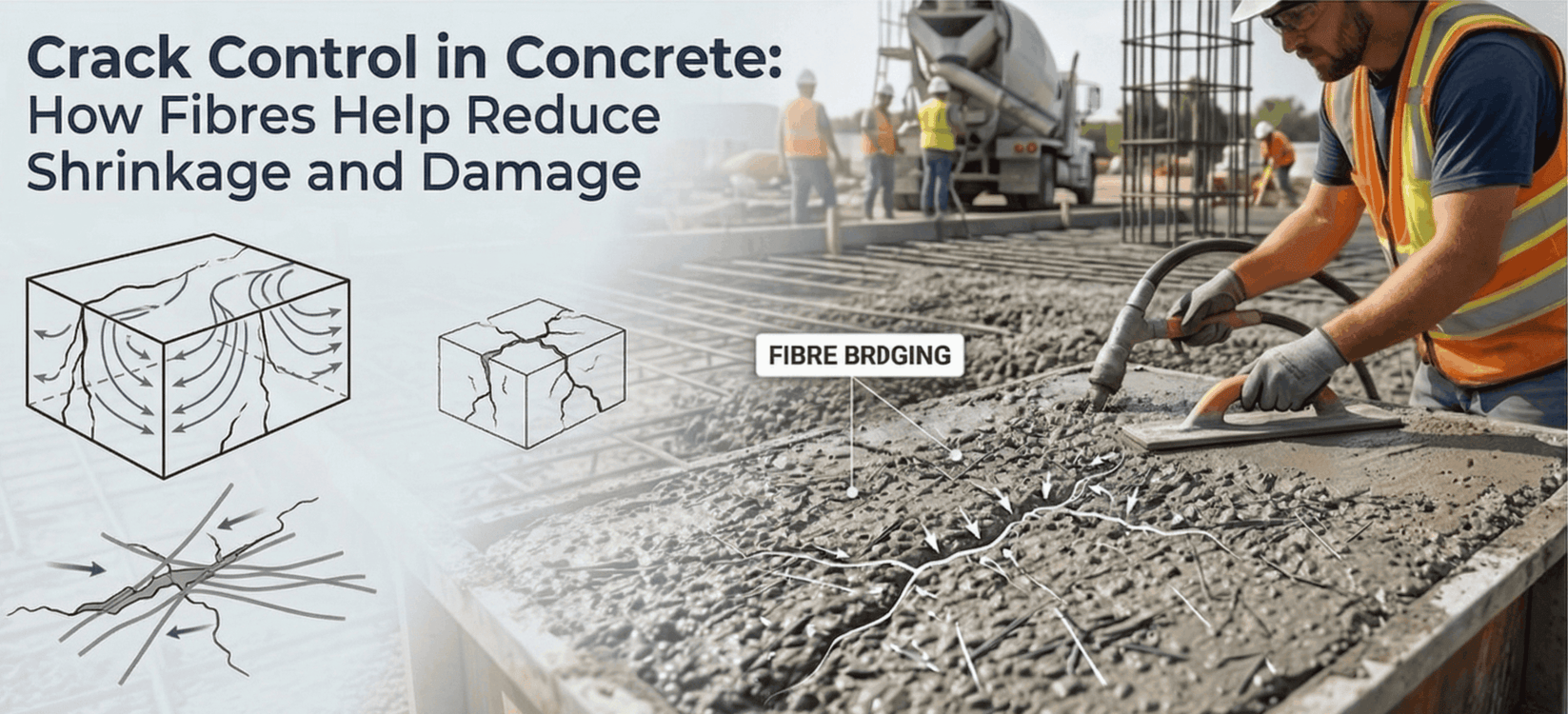
Understanding the Role of Fibres in Preventing Concrete Cracks
Concrete is known for its durability and strength, but cracks can still occur due to various factors, including shrinkage, temperature changes, and heavy loads. To address these challenges, fibres in concrete are increasingly used as an effective solution for crack control in concrete.
In this guide, we will explore how fibres help reduce cracks, the types of fibres used in concrete, and why their inclusion improves the overall performance and longevity of concrete structures.
Key Takeaways
Fibres in concrete can reduce cracking by controlling shrinkage and providing structural support.
Synthetic fibres and steel fibres are commonly used to prevent cracks and enhance concrete’s durability.
Adding fibres can increase concrete’s tensile strength, reducing the likelihood of visible cracks and damage.
What Causes Cracks in Concrete?
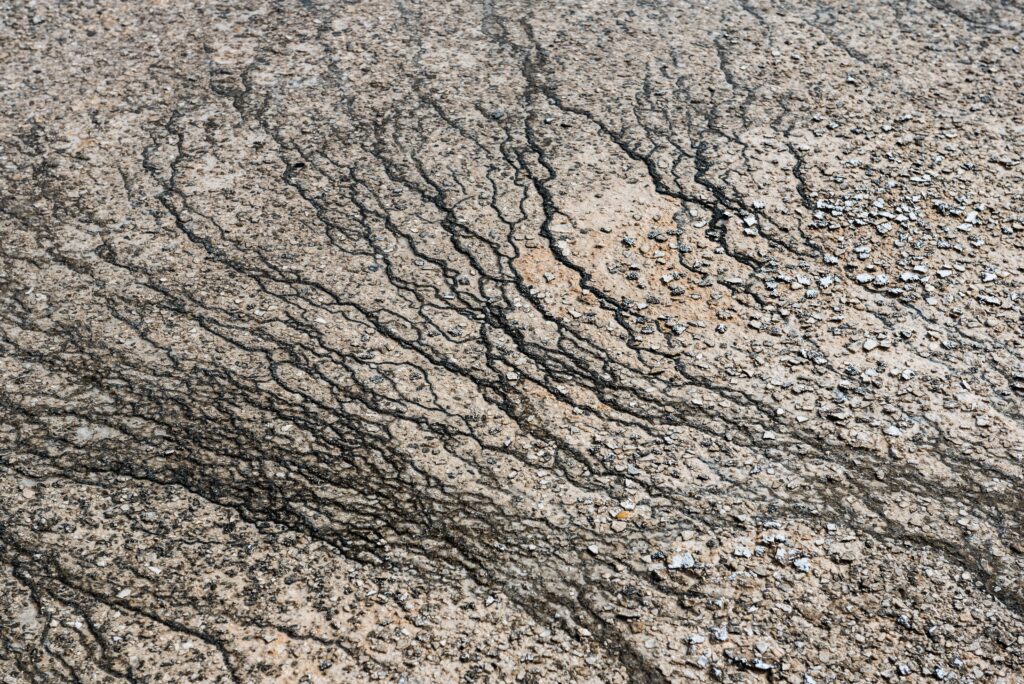
Concrete is a strong material, but it is susceptible to cracking under certain conditions. The primary causes of cracks in concrete include:
Shrinkage: As concrete cures, it naturally shrinks. If this shrinkage occurs unevenly, it can lead to cracks.
Temperature Changes: Extreme hot or cold temperatures can cause concrete to expand or contract, which can result in cracks.
Heavy Loads or Structural Movement: If the concrete is subjected to loads beyond its capacity, or if there is movement in the underlying structure, cracks can form.
Improper Mixing or Curing: If concrete is not mixed or cured properly, it may develop weaknesses that lead to cracking.
While cracks are a common issue, they do not always compromise the structural integrity of concrete. However, uncontrolled cracking can lead to further damage and deterioration. Fibres play an essential role in reducing the extent of cracks and improving the concrete’s overall strength.
How Do Fibres Help Control Cracking in Concrete?
Fibres are added to concrete mixes to reduce the formation of cracks and improve the material’s overall performance. The primary way fibres help with crack control is by improving tensile strength and flexural strength, which are crucial properties for preventing cracks under stress.
Fibres can help in the following ways:
Reducing Shrinkage: One of the most common causes of cracks in concrete is shrinkage. Fibres work by reinforcing the concrete mix and reducing the tendency of the material to shrink excessively. This can prevent cracks from forming during the curing process.
Distributing Stress: When stress is applied to concrete, fibres help distribute it more evenly, preventing localized cracking.
Improving Flexural Strength: Fibres increase the concrete’s ability to resist bending forces. This makes the concrete more resistant to cracking, especially in applications like floor slabs and pavements that experience regular load changes.
Types of Fibres Used for Crack Control in Concrete
There are various types of fibres that can be added to concrete for crack control. The most common types include steel fibres, synthetic fibres, and natural fibres. Each type has its unique benefits, and their use depends on the specific requirements of the concrete application.
1. Steel Fibres
Steel fibres are made of high-tensile steel, which enhances concrete’s overall strength. These fibres improve both the tensile strength and flexural strength of concrete, making them highly effective at controlling cracks.
Benefits of Steel Fibres:
Increased ductility and resilience in concrete, preventing cracks from spreading.
Ideal for structural applications, such as industrial floors, pavements, and highway construction
Provide resistance to impact and fatigue.
2. Synthetic Fibres
Synthetic fibres are made from materials like nylon, polypropylene, or polyester. These fibres are lightweight, non-corrosive, and easier to handle compared to steel fibres. They are often used in residential projects like driveways, walkways, and residential floors.
Benefits of Synthetic Fibres:
Corrosion resistance: Unlike steel, synthetic fibres won’t corrode over time.
Cost-effective: Synthetic fibres tend to be more affordable and easy to use.
Ideal for smaller-scale applications or for reducing shrinkage cracks.
3. Natural Fibres
Natural fibres, such as jute, hemp, and coir, are used in eco-friendly concrete mixes. They are biodegradable and environmentally friendly, making them a great option for sustainable construction.
Benefits of Natural Fibres:
Sustainability: Natural fibres are renewable and biodegradable, making them ideal for green building projects.
Good for controlling surface cracking but not as strong as synthetic or steel fibres. Fibres are added to concrete mixes to reduce the formation of cracks and improve the material’s overall performance. The primary way fibres help with crack control is by improving tensile strength and flexural strength, which are crucial properties for preventing cracks under stress.
Fibres can help in the following ways:
Reducing Shrinkage: One of the most common causes of cracks in concrete is shrinkage. Fibres work by reinforcing the concrete mix and reducing the tendency of the material to shrink excessively. This can prevent cracks from forming during the curing process.
Distributing Stress: When stress is applied to concrete, fibres help distribute it more evenly, preventing localized cracking.
Improving Flexural Strength: Fibres increase the concrete’s ability to resist bending forces. This makes the concrete more resistant to cracking, especially in applications like floor slabs and pavements that experience regular load changes.
How Fibres Improve Concrete Durability
In addition to crack control, fibres also enhance the durability of concrete. By improving the material’s resistance to wear, impact, and extreme conditions, fibres ensure that concrete structures perform better and last longer.
Key benefits include:
Reduced permeability: The addition of fibres helps reduce the permeability of concrete, making it less likely to absorb water or harmful chemicals that could weaken the structure over time.
Increased resistance to freeze-thaw cycles: In colder climates, concrete can crack when exposed to freezing temperatures. Fibres help prevent this by adding flexibility and reducing the risk of internal stresses from freeze-thaw cycles.
Better load distribution: Fibres improve the concrete’s ability to distribute loads evenly, reducing the risk of stress-induced cracking.
Where Are Fibres Used in Concrete?
Fibres are used in various concrete applications, particularly where crack resistance and durability are crucial. Common uses include:
Roads and Highways: Fibres help prevent cracking in pavements and highway surfaces subjected to heavy loads and weathering.
Industrial Floors: Concrete floors in warehouses, factories, and storage areas benefit from fibres, which reduce wear and cracking from heavy machinery and traffic.
Residential Projects: Fibres can be used in driveways, garage floors, and patios to reduce cracking due to shrinkage or load-bearing stress.
How to Choose the Right Fibre for Your Project
The choice of fibre depends on the project’s specific requirements. For heavy-duty applications that require high strength and durability, steel fibres may be the best option. For smaller projects or areas with moderate traffic, synthetic fibres are a more cost-effective solution. For environmentally conscious projects, natural fibres can provide a sustainable alternative.
Factors to consider when choosing the right fibre include:
Strength requirements: Steel fibres offer the highest tensile strength, making them ideal for structural applications.
Project scale: For large-scale projects, steel fibres are the best choice, while synthetic fibres work well for smaller-scale tasks.
Environmental impact: Natural fibres offer the most eco-friendly solution, perfect for green building projects.
Conclusion
Crack control in concrete is essential to ensure the strength, durability, and longevity of your structures. The addition of fibres in concrete mixes significantly reduces the chances of cracking by improving the material’s ability to withstand stress, shrinkage, and environmental factors.
Fibres like steel, synthetic, and natural fibres all have their unique benefits. Steel fibres provide the highest strength, making them perfect for structural applications. Synthetic fibres are an affordable option for smaller projects, while natural fibres offer a sustainable choice for eco-friendly builds.
By selecting the appropriate fibre for your concrete mix, you can improve the performance of your concrete, extend its lifespan, and reduce costly repairs down the line.
If you’re looking to use fibre-reinforced concrete for your next project, Amix offers high-quality ready-mix concrete solutions with fibres included to enhance crack control and overall durability. For more information or to get a quote, reach out to Amix today.