
Fast-Curing Concrete: How to Reduce Construction Delays and Downtime
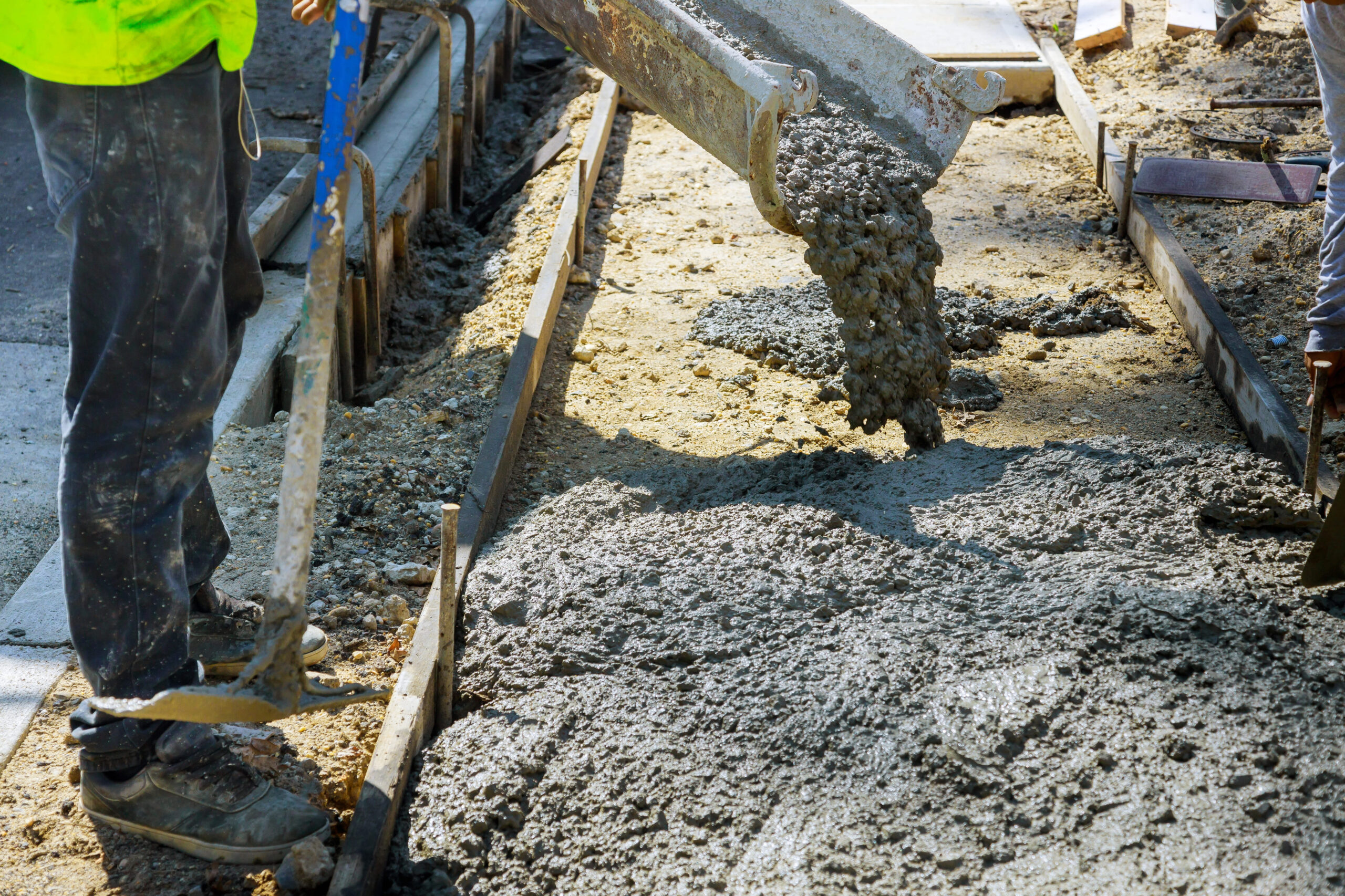
Choosing Fast-Curing Concrete for Your Project Can Significantly Speed Up Your Construction Timeline
In the construction industry, time is money. The faster a project can move forward, the quicker the return on investment, and the less downtime there is for other parts of the build. Fast-curing concrete is a vital tool for contractors looking to minimize delays and keep construction on schedule. This type of concrete offers a rapid setting time, allowing workers to move to the next stages of construction sooner, improving efficiency and overall project timelines.
In this blog, we’ll dive into what fast-curing concrete is, how it works, and the benefits it brings to construction projects. We’ll also look at how and when to use fast-curing concrete and whether it’s the right choice for your specific needs.
Key Takeaways
Fast-curing concrete sets more quickly than traditional concrete, allowing for faster construction timelines.
It is ideal for projects where time is critical, such as road repairs, pavements, and industrial floors.
While faster curing offers benefits, it may require more care during mixing and placement.
What is Fast-Curing Concrete?
Fast-curing concrete is a specially formulated mixture designed to set and harden much faster than traditional concrete. It uses a combination of chemical additives and specific types of cement to accelerate the curing process. Typically, fast-curing concrete can reach its usable strength in just a few hours, as opposed to several days for regular concrete.
This speed makes it ideal for situations where quick turnaround times are necessary, such as in emergency repairs or time-sensitive construction projects.
How It Works:
Fast-curing concrete accelerates the hydration process. When mixed, the chemicals react with the water and cement, speeding up the hardening process. As a result, the concrete will be ready for use much sooner than standard concrete, allowing for reduced downtime between construction phases.
Pros of Fast-Curing Concrete
1. Speed of Construction
One of the biggest advantages of fast-curing concrete is its speed. It allows projects to move quickly, especially when working with tight deadlines or in emergency situations. Whether it’s a busy road requiring quick repair or a factory floor that needs to be operational again quickly, fast-curing concrete can help prevent costly delays.
2. Minimal Downtime
Since fast-curing concrete reaches sufficient strength faster, workers can resume other tasks sooner, significantly reducing downtime between steps. This is particularly important when you are working on a project that needs to be completed quickly or when delays could negatively affect other parts of the project.
3. Versatility
Fast-curing concrete is versatile and can be used for various applications, including:
Road repairs
Pavement and driveway construction
Industrial flooring
Parking lots and garages
It is suitable for both residential and commercial projects and can be customized to fit different project needs.
4. Increased Strength Early On
While fast-curing concrete doesn’t always achieve the final strength of traditional concrete in a short amount of time, it does reach an early-age strength that allows for quicker use. This is useful in situations where construction needs to move forward quickly
Cons of Fast-Curing Concrete
1. Higher Cost
Due to the additives and specialized mix, fast-curing concrete can be more expensive than traditional concrete. This is especially true for projects that require larger quantities of concrete or ongoing use of rapid-curing mixtures.
2. Potential for Early Cracking
Because the curing process is sped up, there is a risk of early cracking if the concrete isn’t properly mixed or placed. Fast-curing concrete requires careful handling to ensure it doesn’t harden too quickly and become prone to cracking under stress.
3. Need for Proper Temperature Control
Temperature plays a significant role in the curing process. Fast-curing concrete is particularly sensitive to external conditions, meaning cold or hot weather can impact the curing process. In colder weather, it may require additional warmth to set correctly, while in extreme heat, it may set too quickly, leading to cracks and weakening.
Applications of Fast-Curing Concrete
Fast-curing concrete is ideal for specific projects where time is crucial, but it’s not suitable for every situation. Some common uses include:
1. Road and Pavement Repairs
In busy cities or on high-traffic roads, quick repairs are necessary to minimize disruption. Fast-curing concrete can be used to quickly patch up roads and pavements, ensuring that they are ready to handle traffic as soon as possible.
2. Industrial Flooring
In industrial settings where flooring needs to be laid quickly and put into use, fast-curing concrete can help minimize downtime and keep the project on schedule. Whether it’s in warehouses, factories, or retail spaces, this type of concrete is excellent for high-demand areas.
3. Emergency Repairs
When unforeseen damage occurs, such as cracks or potholes in roads, or infrastructure failures, fast-curing concrete is an invaluable solution. It allows contractors to make quick repairs without long delays, restoring function without causing significant disruption.
How to Use Fast-Curing Concrete Correctly
To get the best results with fast-curing concrete, it’s important to follow the right procedures during mixing, placement, and curing:
1. Proper Mixing
Fast-curing concrete needs to be mixed thoroughly and consistently. If mixed improperly, it could set too quickly or not cure evenly, leading to a weak structure.
2. Placement Timing
Once mixed, fast-curing concrete must be placed and finished quickly. Ensure that the concrete is worked into place and leveled before it begins setting.
3. Curing and Temperature Control
For best results, fast-curing concrete should be kept at an ideal temperature range (usually between 10°C and 25°C). Proper curing methods, such as using curing blankets or applying water to the surface, help avoid cracking or weakening.
When to Use Fast-Curing Concrete
Fast-curing concrete should be used when:
Project timelines are tight: Ideal for jobs that need to be completed quickly, such as repairing roads or industrial floors.
Weather conditions need to be accounted for: If rain or other weather conditions could impact a project, fast-curing concrete can minimize weather-related delays.
Reduced downtime is essential: When a project needs to move forward quickly, fast-curing concrete allows you to continue without waiting for traditional concrete to cure.
Conclusion: Fast-Curing Concrete for Faster Projects
Fast-curing concrete is a game-changer for projects that require speed, whether you’re making emergency repairs or working on high-demand industrial projects. Its ability to set quickly, reduce downtime, and keep construction moving makes it a valuable resource for contractors and homeowners alike.
While it may come with a higher cost and some additional considerations, its benefits for quick, efficient work make it a top choice for time-sensitive builds.
If you’re working on a project that could benefit from fast-curing concrete, make sure you have the right mix and placement strategy to ensure quality and durability. Whether it’s for industrial flooring, road repairs, or emergency fixes, fast-curing concrete can help you keep your construction timelines on track.
For any concrete project, Amix can provide you with the right materials for a fast, efficient, and reliable result.