
News.
Keep up-to-date with all the latest news, investments, recruitment drives and projects here at AMIX.
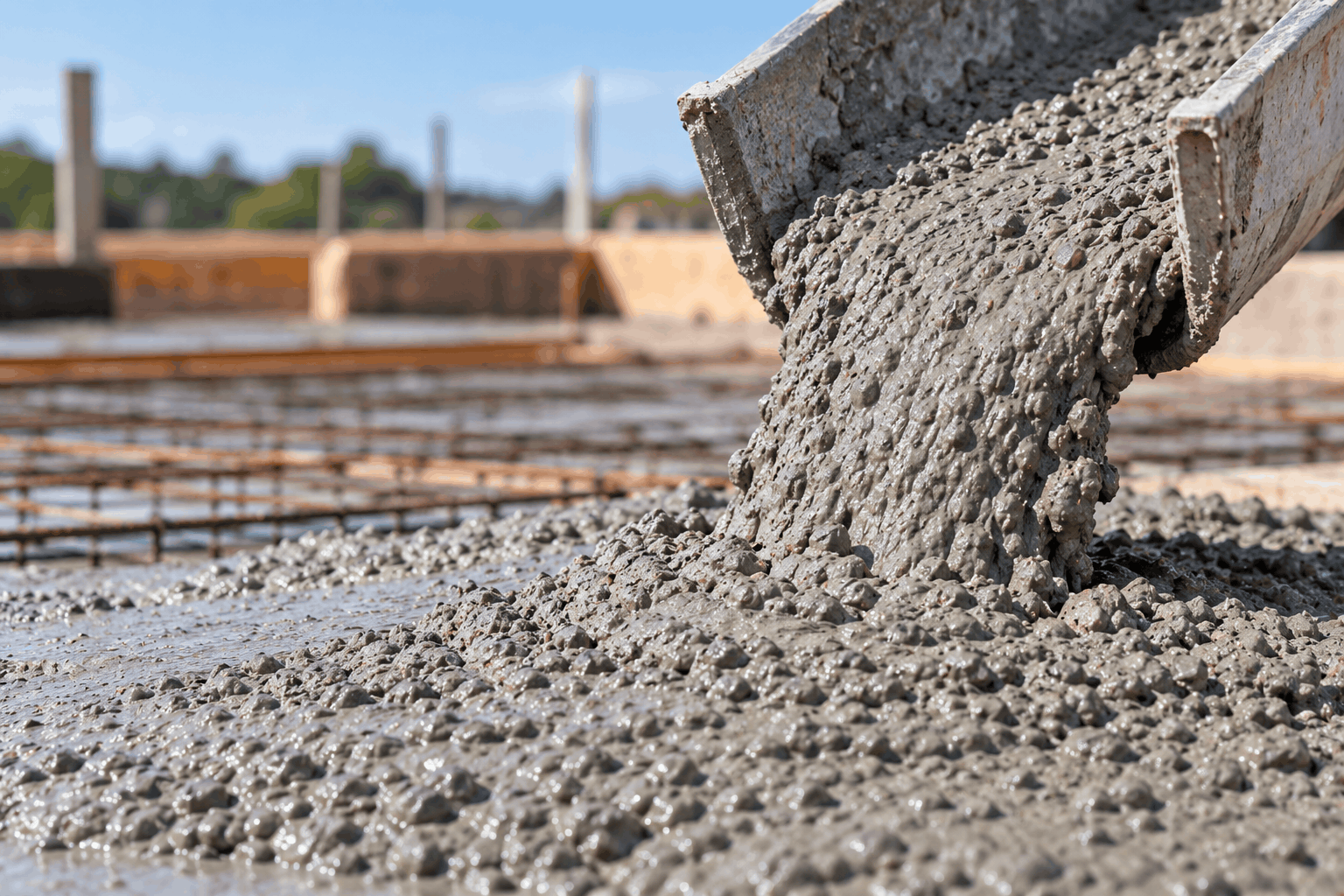
Concrete admixtures explained: What are they and why are they used?
Concrete admixtures are ingredients added to a concrete mix to modify particular properties of the fresh or hardened concrete.
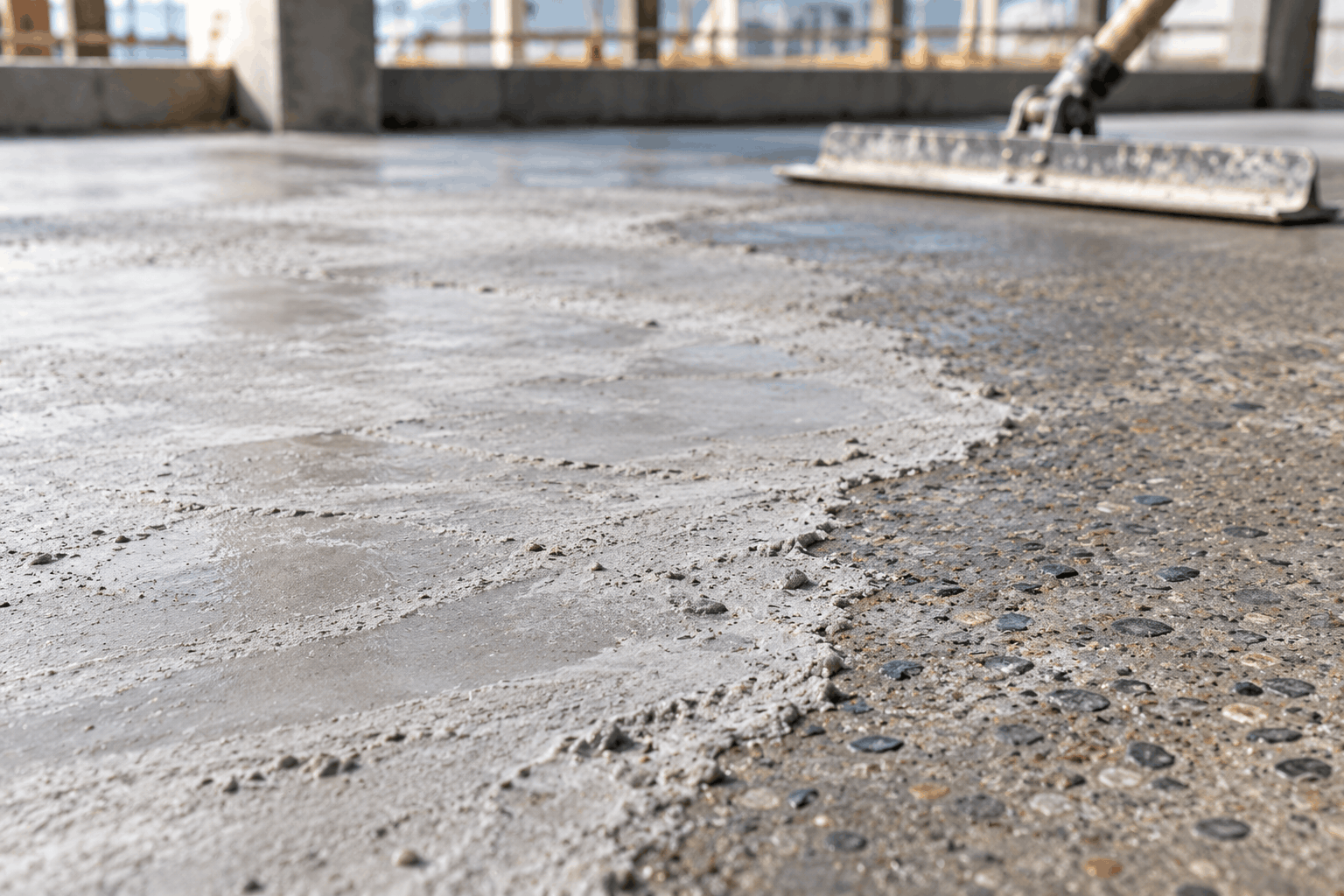
What is concrete laitance and how does it affect a concrete floor?
Concrete laitance is a weak, often dusty layer that can form at the surface of concrete as it is placed and hardens. It can contain fine cement particles and other fine material carried towards the surface with water.
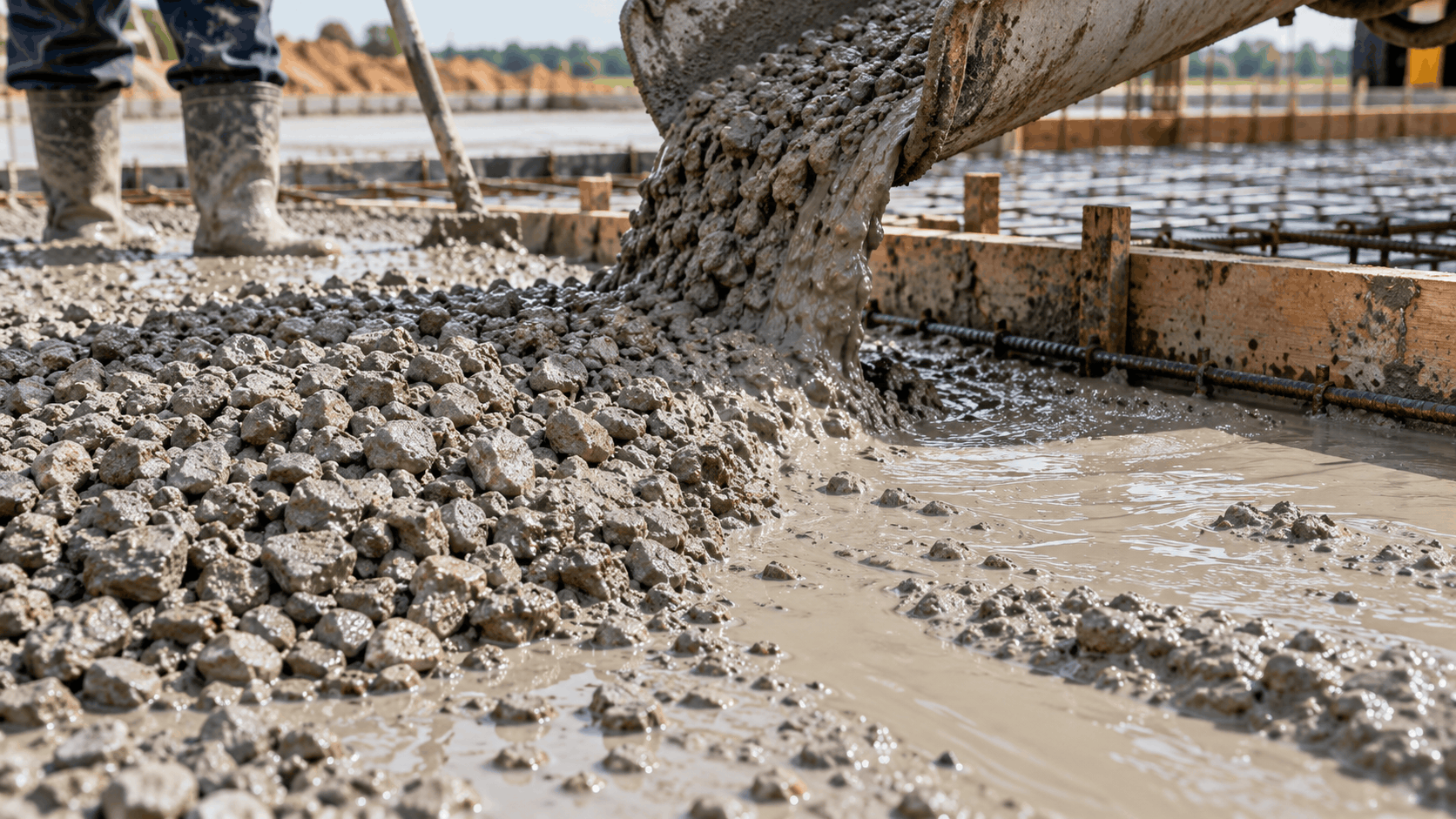
Concrete segregation: What is it, what causes it and how can it be prevented?
Segregation of concrete happens when the constituent materials in fresh concrete separate instead of remaining evenly distributed throughout the mix.
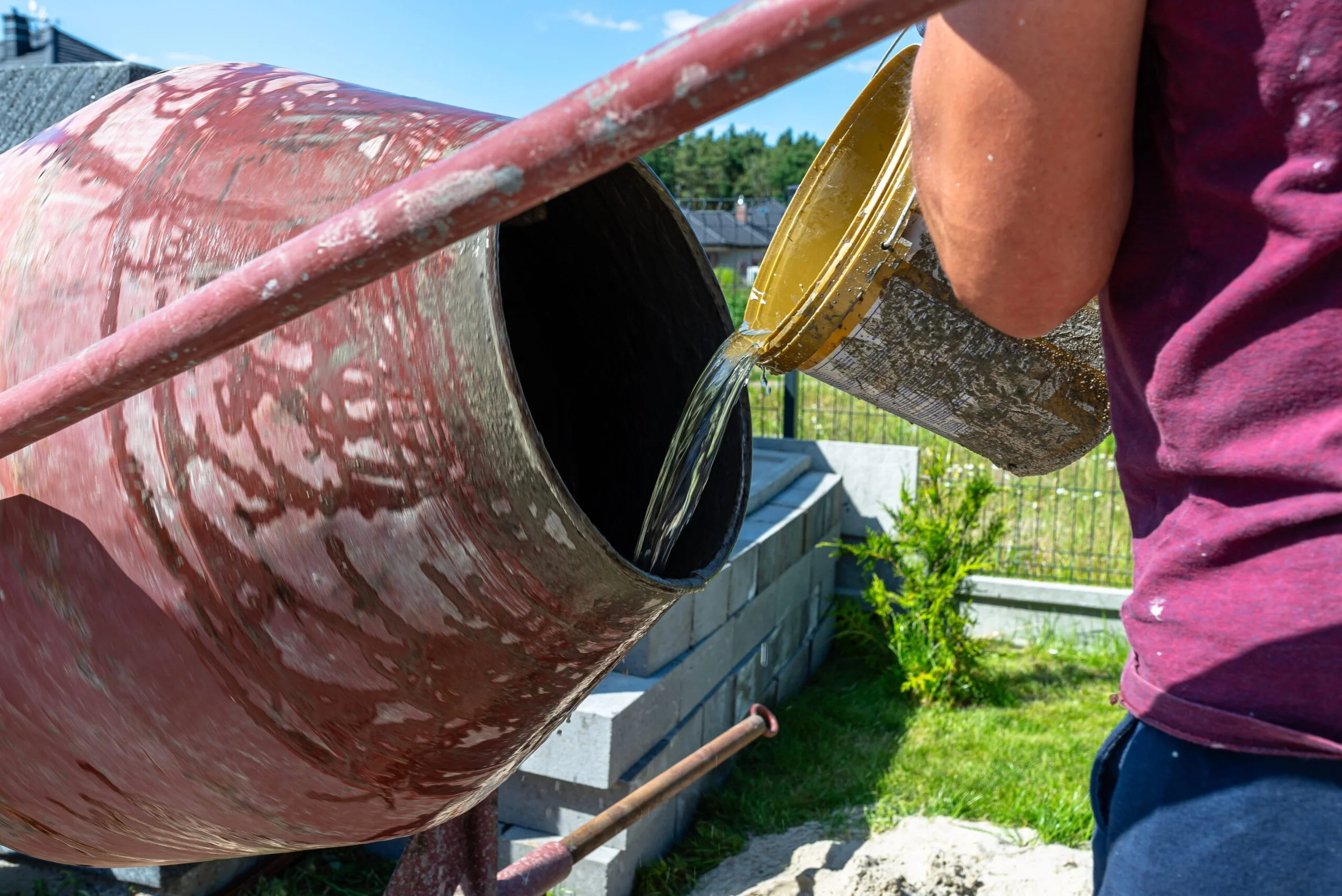
What is the water-cement ratio in concrete and why does it matter?
Water is essential in concrete, but the amount must be carefully controlled. Adding too much or too little can change how fresh concrete behaves and how the finished concrete performs.
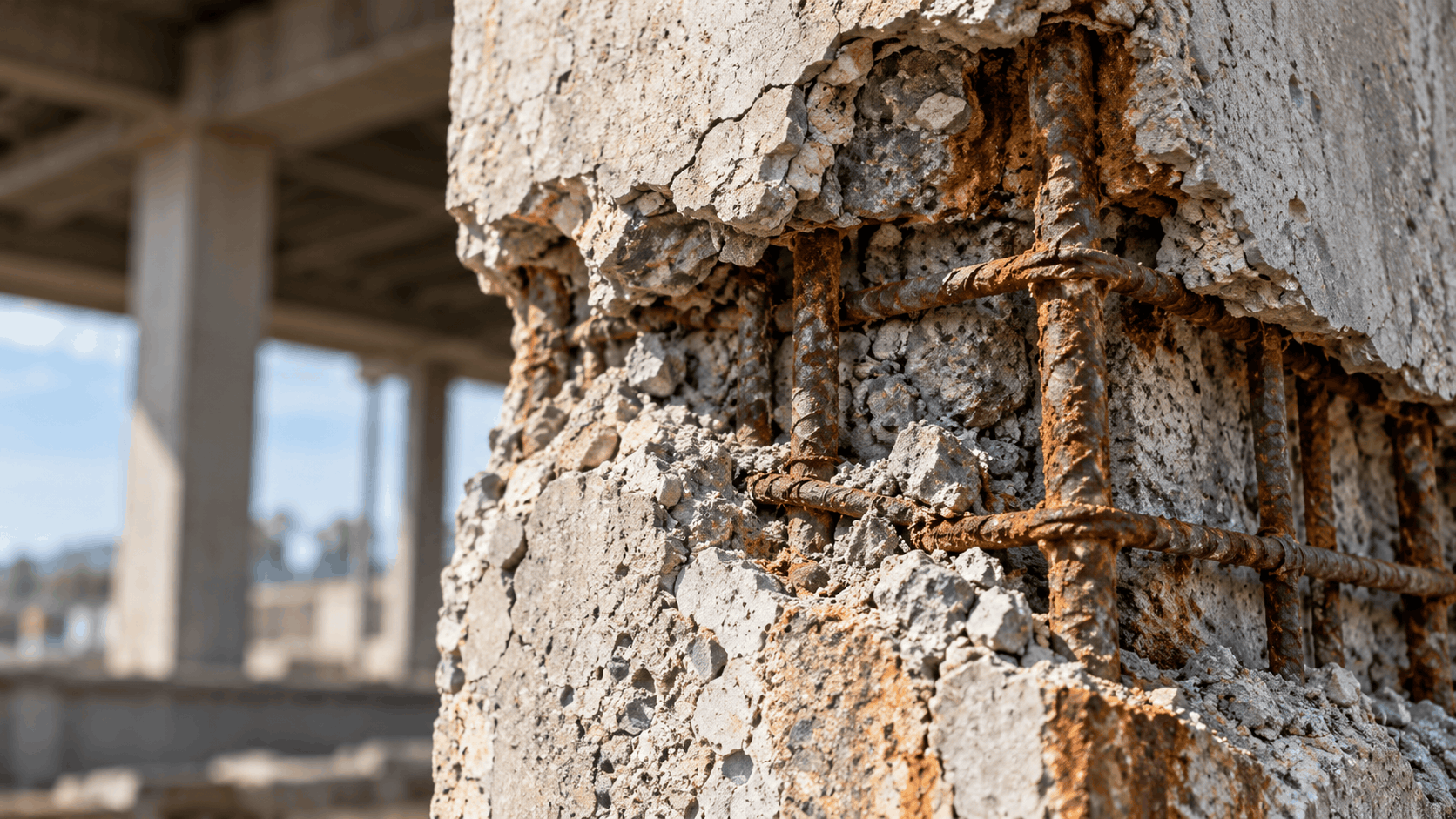
Concrete spalling: What causes it and how can it be prevented?
Concrete spalling happens when parts of a concrete surface begin to flake, chip or break away. In more serious cases, the deterioration can expose coarse aggregate or the steel reinforcement within the concrete.
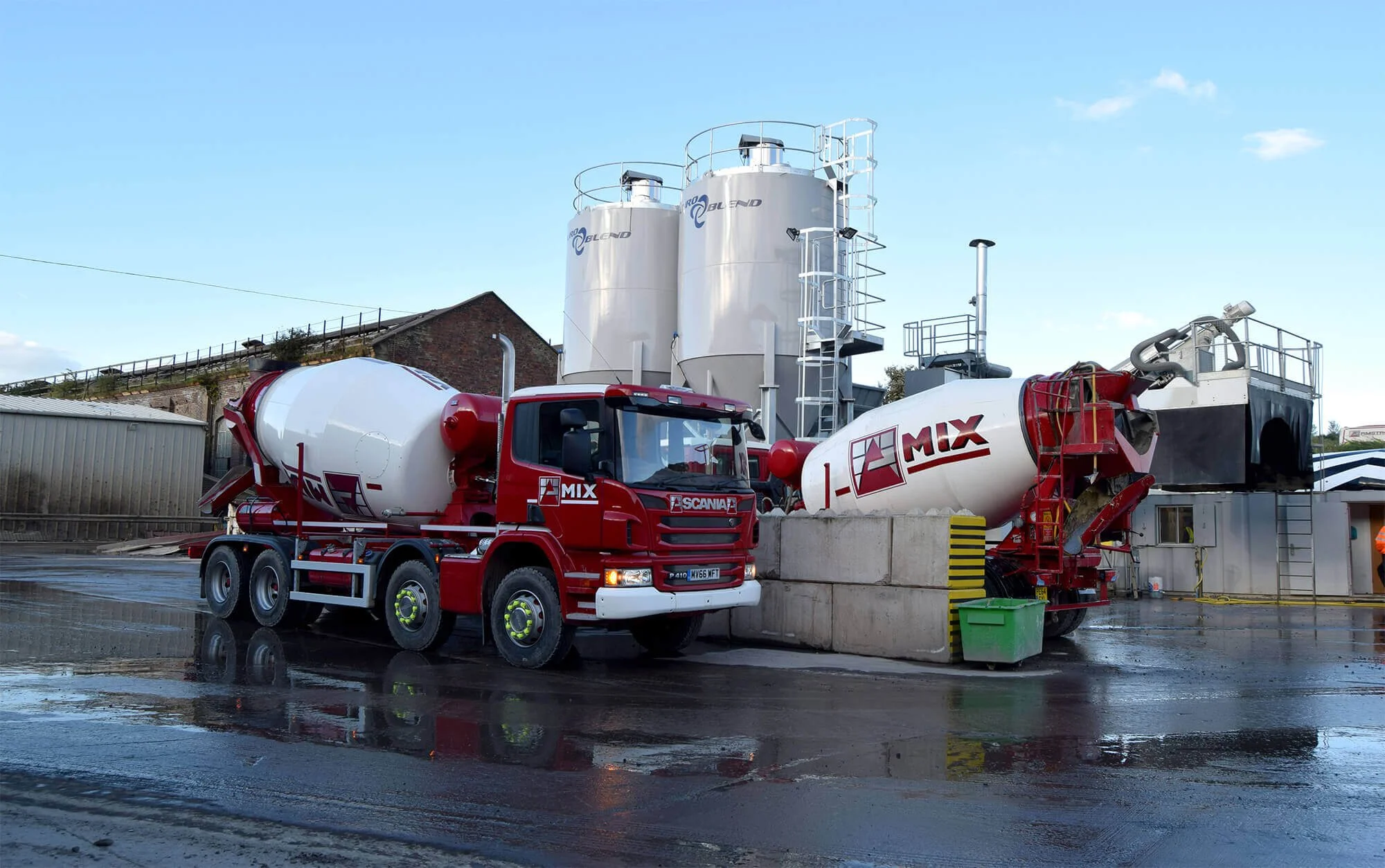
Concrete expansion joints explained: When and why are they needed?
Concrete is strong and durable, but it is not completely static. Changes in temperature, drying shrinkage and movement within a structure can all create stresses in a concrete slab.
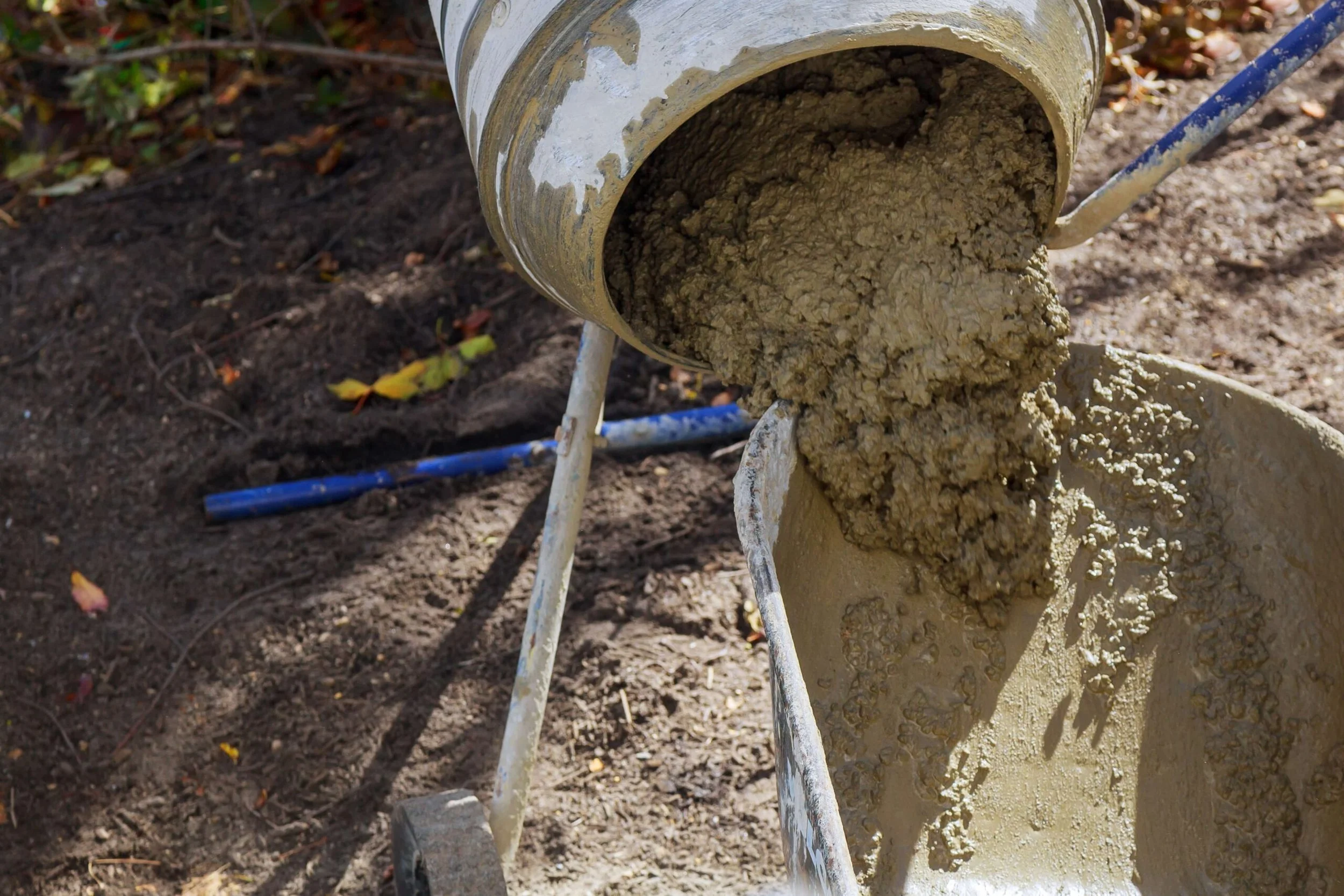
What is concrete slump and why does it matter?
Concrete needs to be workable enough to place and finish correctly while still meeting the specification required for the project. One of the ways the workability of fresh concrete can be assessed is through concrete slump.
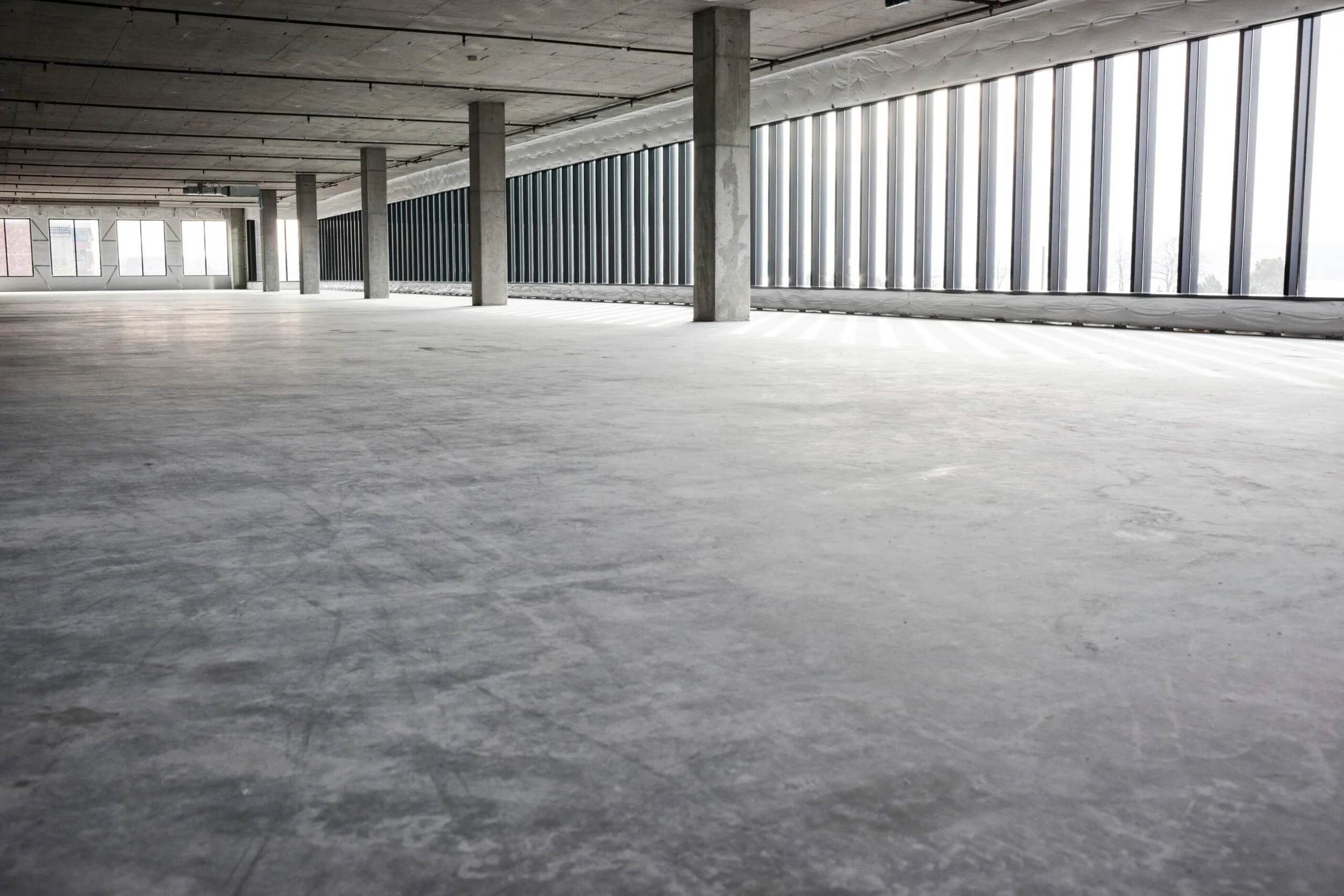
Power floating vs hand finishing concrete floors
The way a concrete floor is finished affects its final appearance, surface characteristics and suitability for its intended use. Two common approaches are power floating and hand finishing, but they are suited to different projects and site conditions.
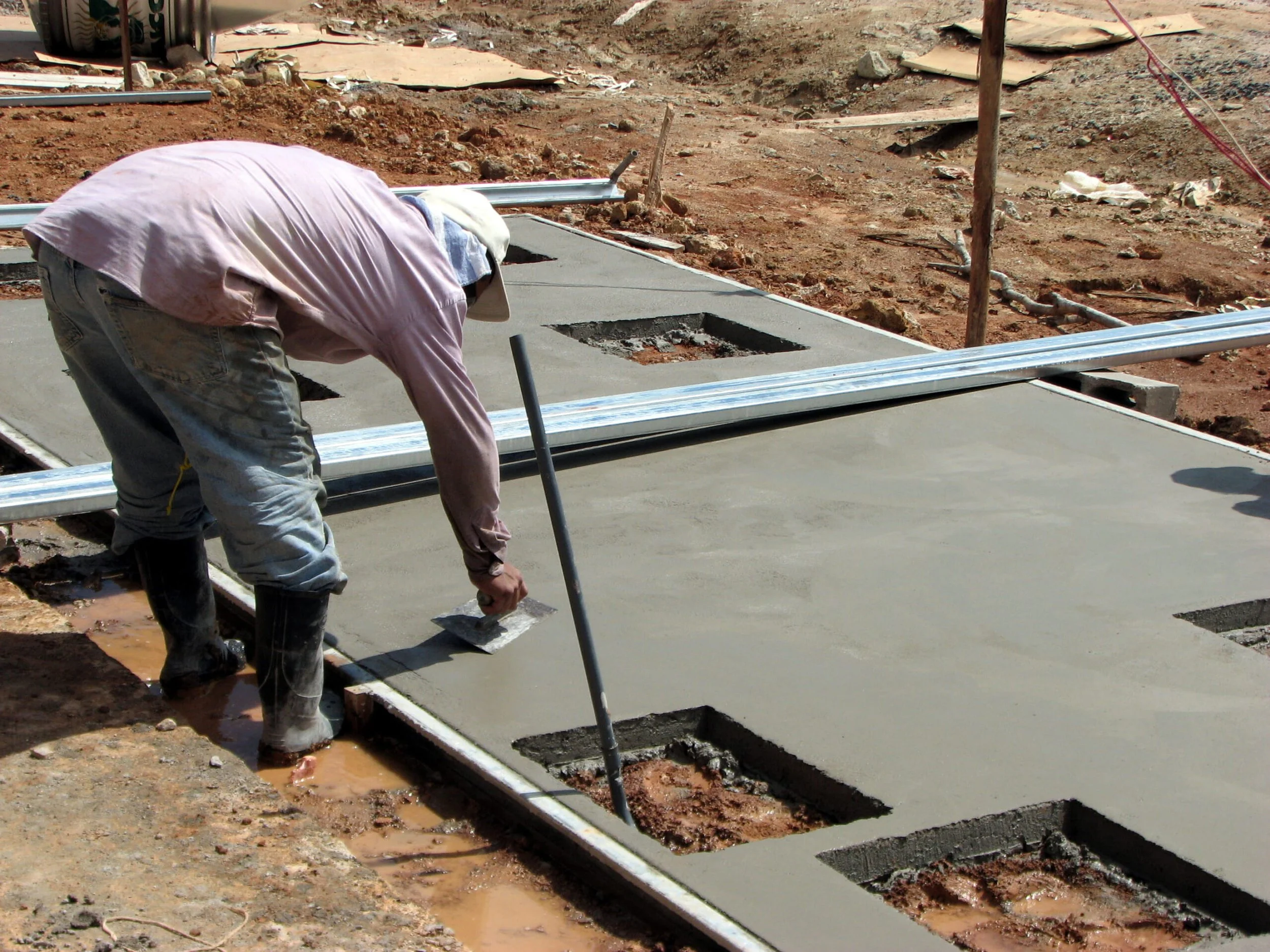
How long does concrete take to dry and cure?
Concrete does not become fully ready for use the moment it feels dry. After concrete has been poured and finished, it goes through a curing process that allows it to develop strength over time.
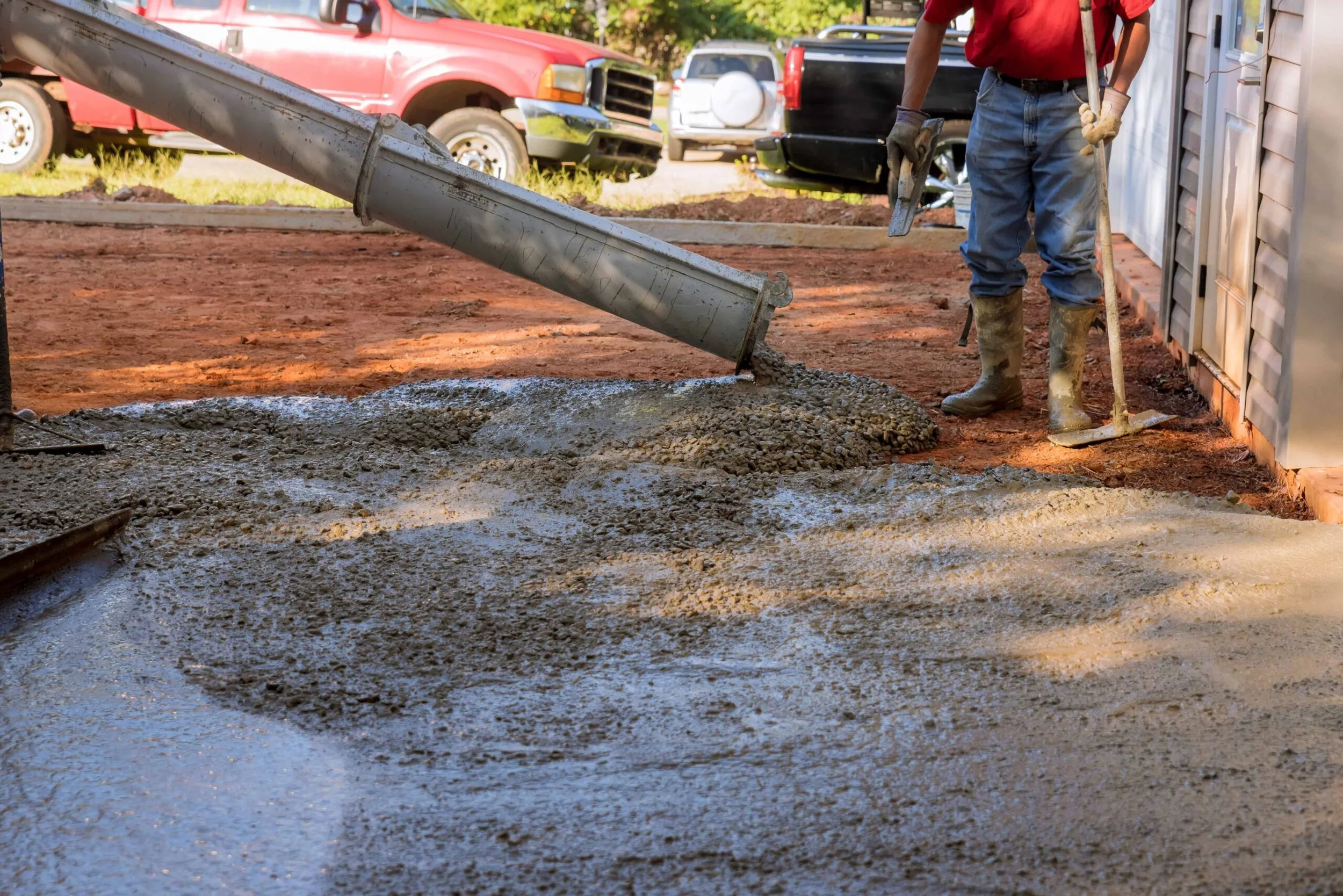
Why consistent concrete mixes matter for construction projects
Concrete needs to perform as expected once it has been placed and cured. Whether it is being used for foundations, slabs, driveways or structural work, concrete mix consistency is an important part of achieving reliable results.
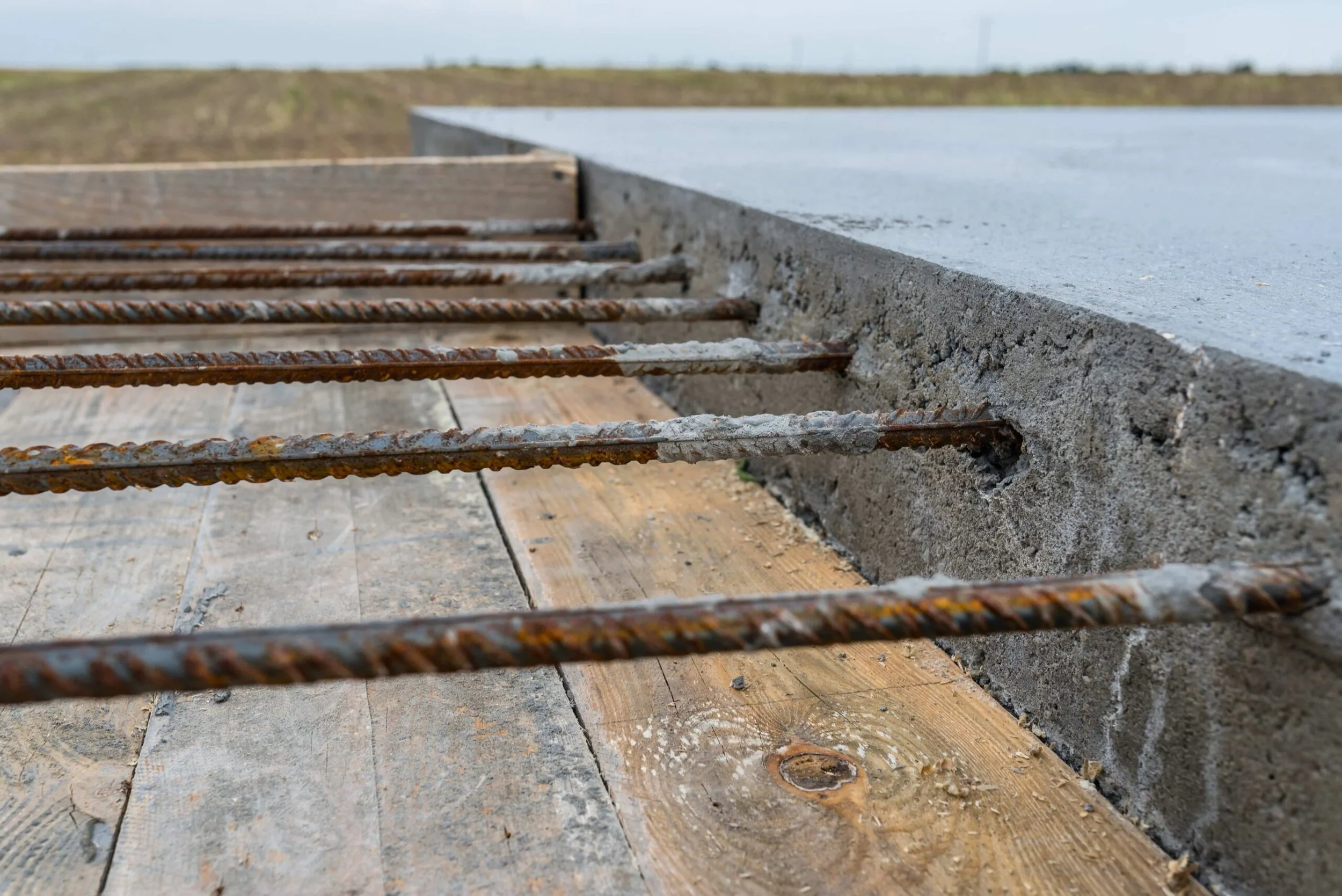
Standard concrete vs reinforced concrete: What’s the difference?
Compare concrete collection and delivery, including when each is best, what to consider for site access and how to choose the right option for your project.
What Happens If You Order Too Much or Too Little Ready Mix Concrete?
Learn what happens if you order too much or too little ready mix concrete, how to calculate the right amount and avoid delays, waste and extra costs.
Concrete collection vs delivery: Which Option Is Best?
Compare concrete collection and delivery, including when each is best, what to consider for site access and how to choose the right option for your project.
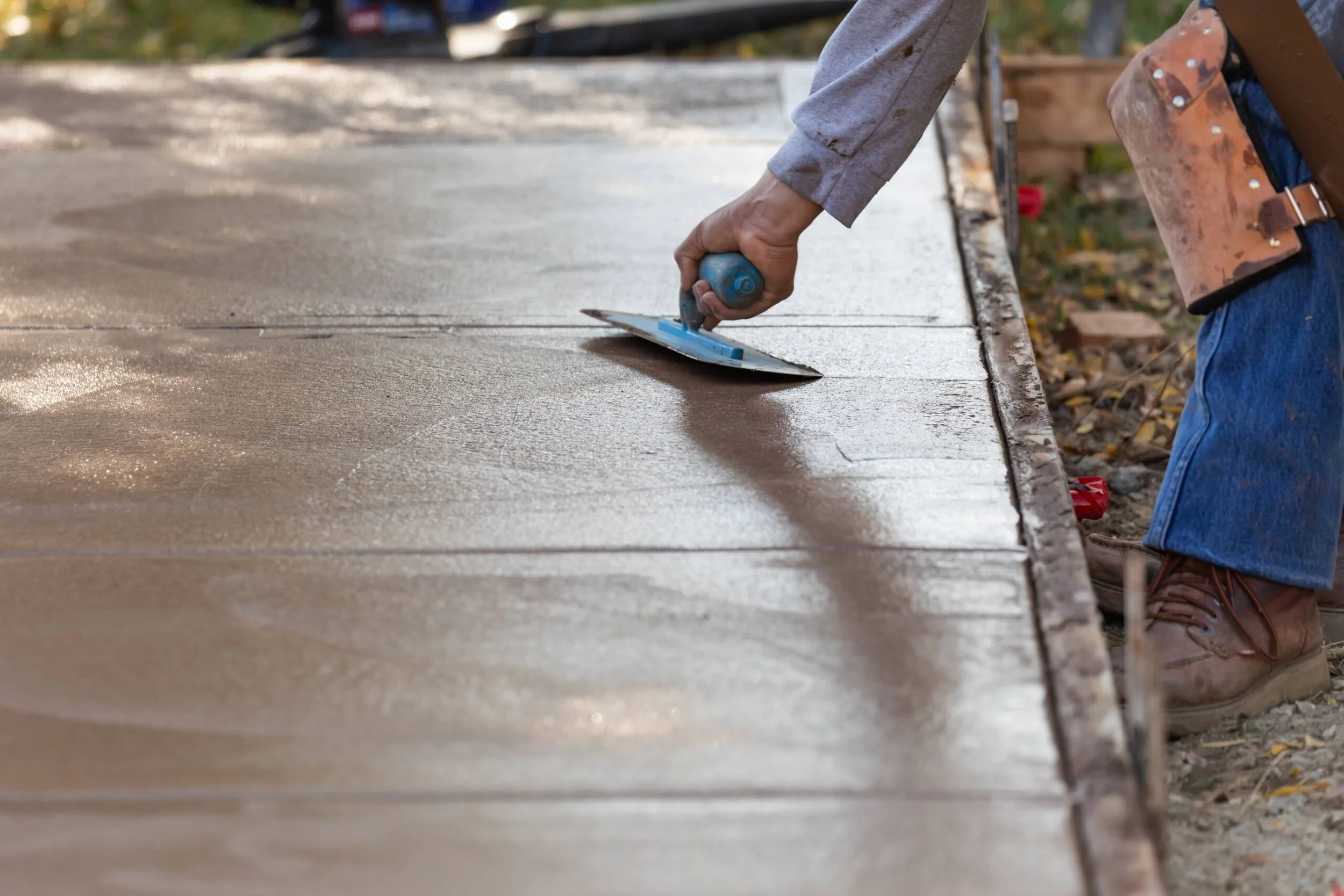
Brushed vs smooth concrete finishes: Which Should You Choose?
Learn what happens if you order too much or too little ready mix concrete, how to calculate the right amount and avoid delays, waste and extra costs.
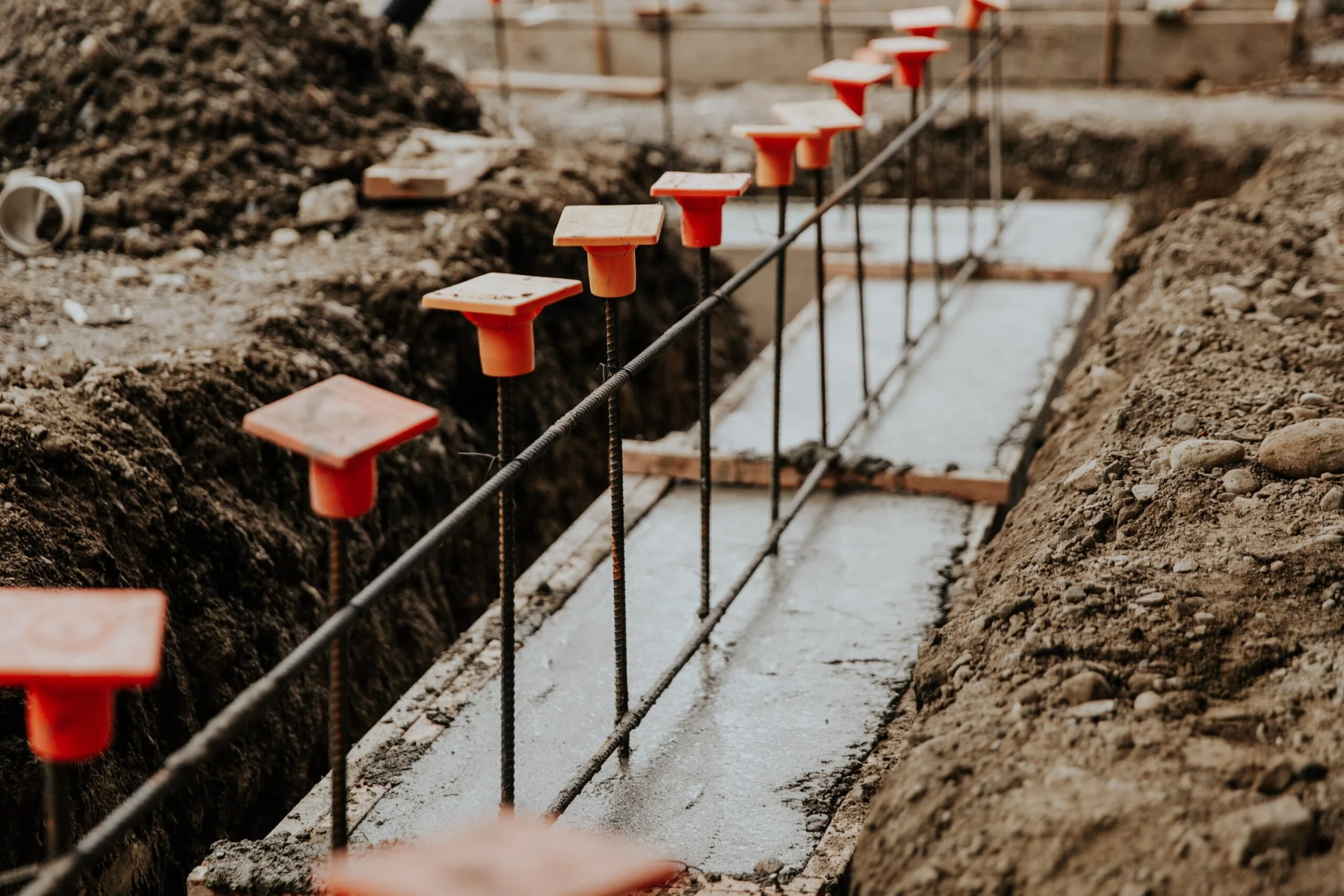
Strip foundations vs trench fill foundations: What’s the difference?
Choosing the right foundation is one of the first and most important decisions during a construction project. Foundations provide the stable base that supports the weight of a building, so selecting the right type is essential for long term performance.

Why concrete is the best choice for commercial parking lots
Choosing the right surface is an important part of any commercial car park project. The material used affects durability, maintenance requirements, long term costs and how well the surface performs under regular traffic.

Choosing the Right Concrete for Driveways, Patios and External Paving
When planning your next outdoor project, whether it’s a driveway, patio, or external paving, choosing the best concrete for the job is essential for both aesthetics and durability. The right type of concrete ensures your outdoor space remains functional, attractive, and long-lasting, with minimal maintenance.
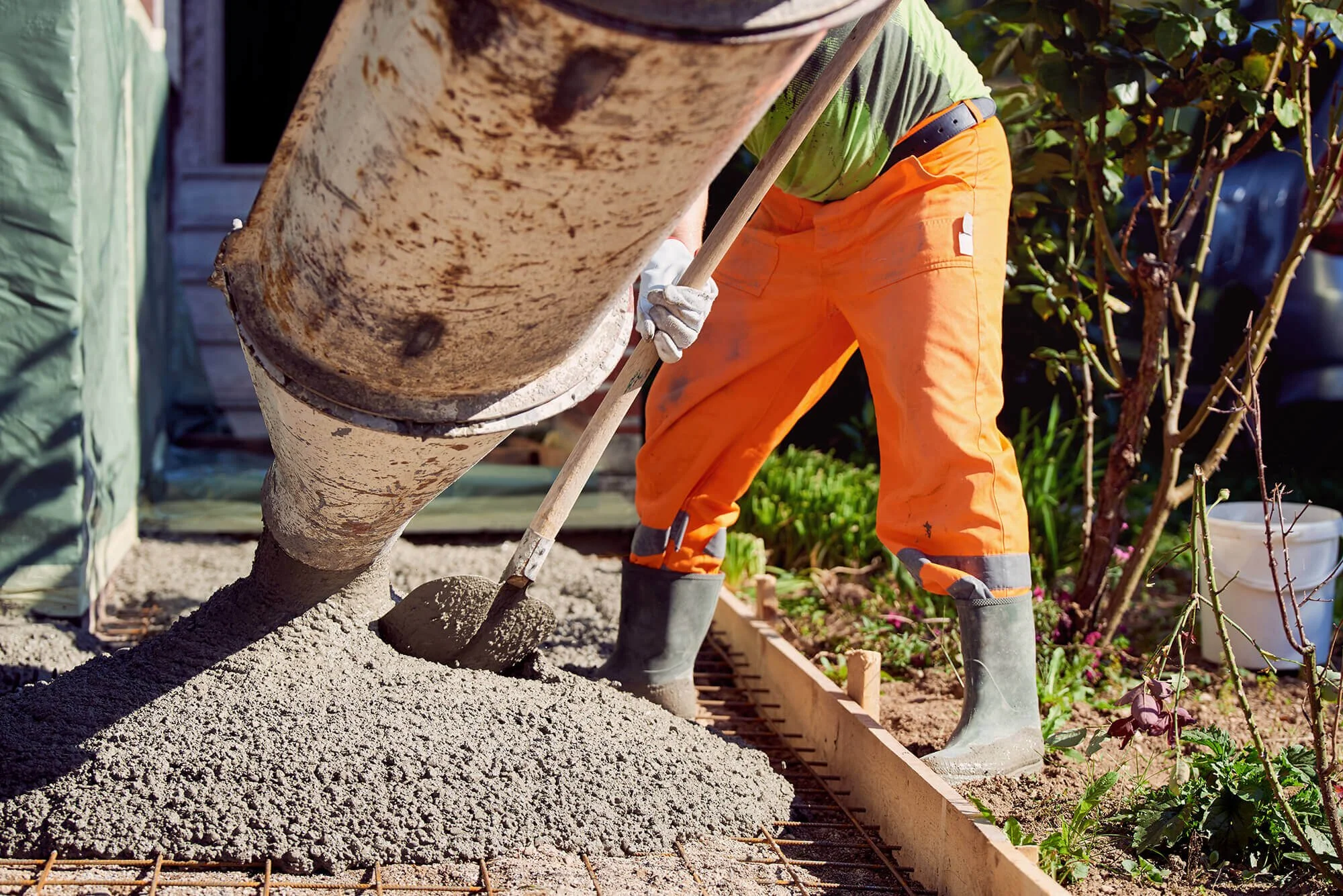
Crack control in concrete: How fibres help reduce shrinkage and damage
Concrete is known for its durability and strength, but cracks can still occur due to various factors, including shrinkage, temperature changes, and heavy loads. To address these challenges, fibres in concrete are increasingly used as an effective solution for crack control in concrete.
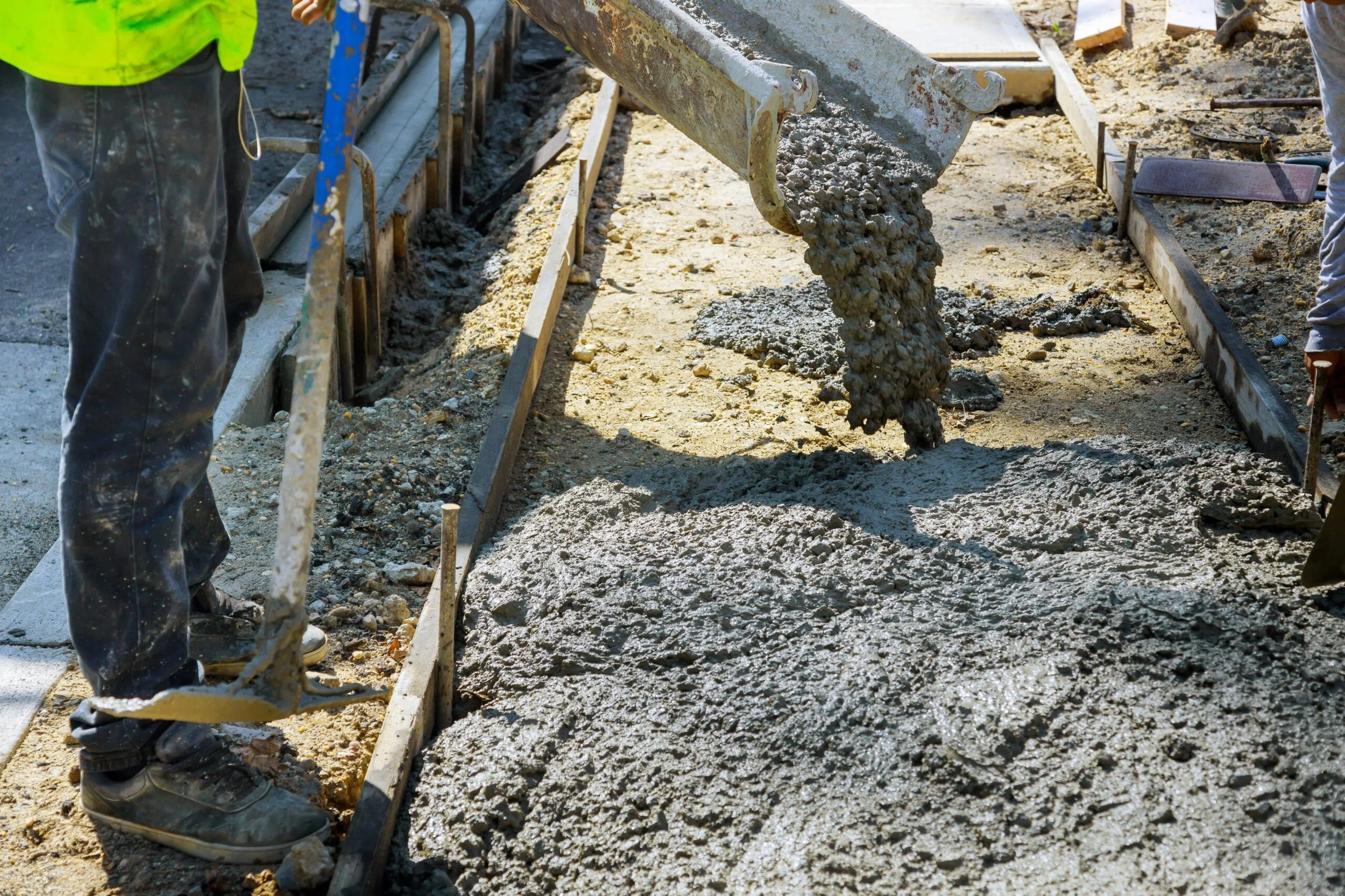
Fast-curing concrete: How to reduce construction delays and downtime
In the construction industry, time is money. The faster a project can move forward, the quicker the return on investment, and the less downtime there is for other parts of the build. Fast-curing concrete is a vital tool for contractors looking to minimize delays and keep construction on schedule.
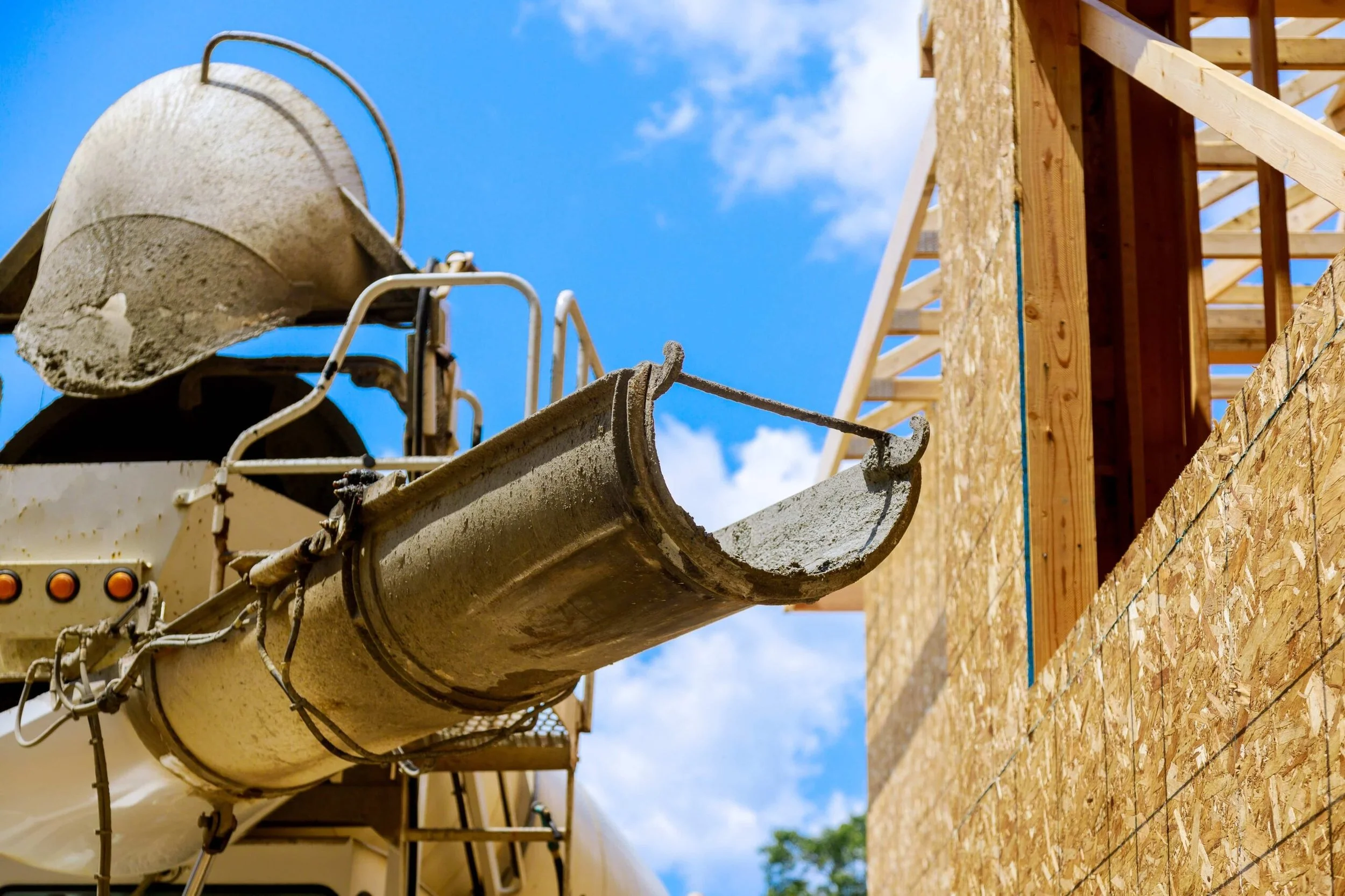
How to prepare your site for concrete delivery
Good preparation helps ensure concrete can be placed safely, efficiently and without unnecessary delays. Taking time to prepare the site before delivery can also help achieve a better finished result.