
How long does concrete take to dry and cure?
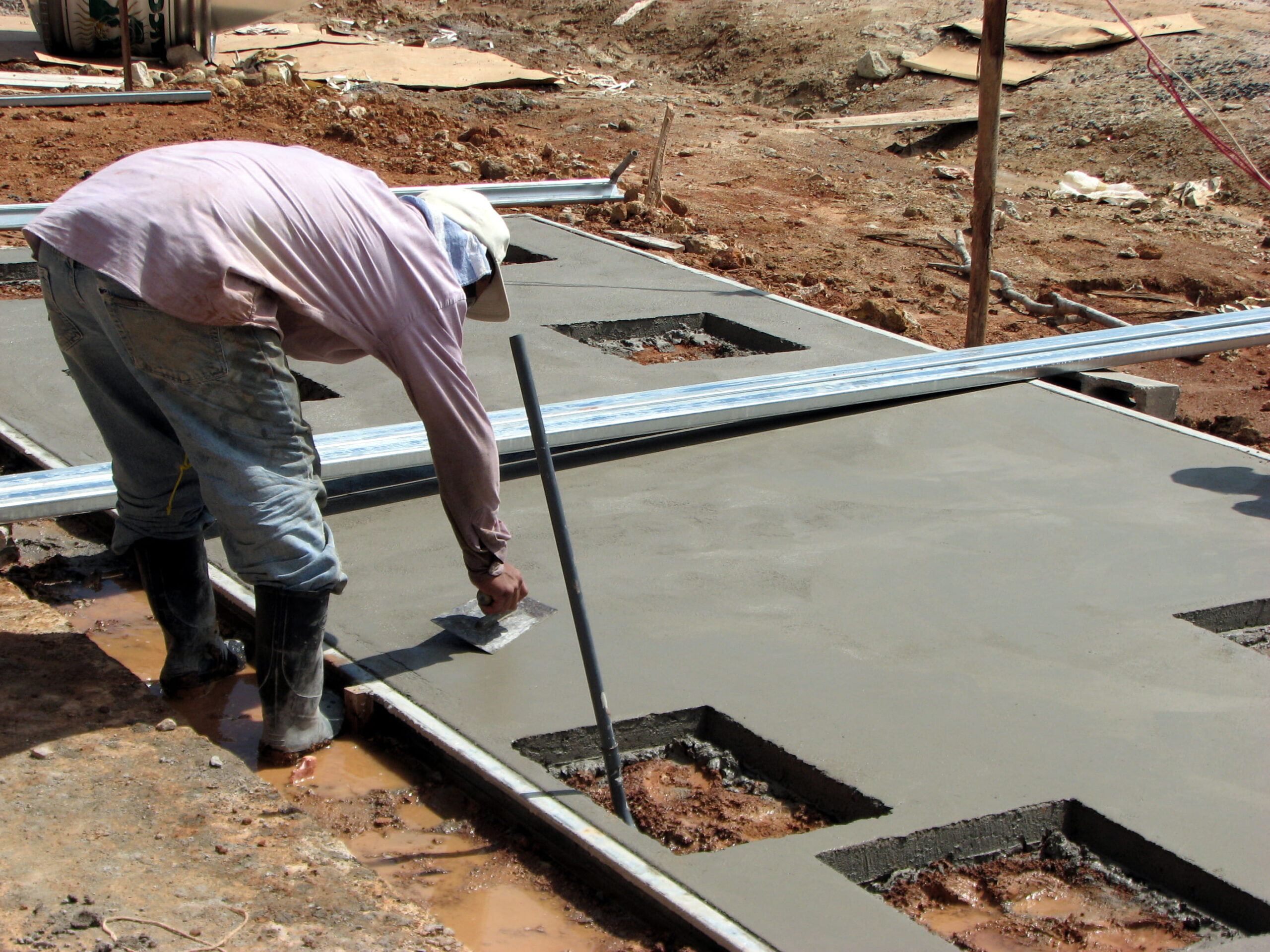
Concrete does not become fully ready for use the moment it feels dry. After concrete has been poured and finished, it goes through a curing process that allows it to develop strength over time.
How long concrete takes to cure depends on several factors, including the concrete mix, weather conditions, the application and how the concrete is protected after placement. This means there is no single waiting time that applies to every project.
Understanding concrete curing time helps you avoid putting a new driveway, slab or path into use too early and gives the concrete the best opportunity to achieve its intended performance.
Key takeaways
- Concrete begins gaining strength after it has been placed, but curing continues over a longer period.
- 28 days is commonly used as the reference age for assessing the specified compressive strength of standard concrete, but this does not mean every project must remain completely unused for 28 days.
- The correct waiting time depends on the concrete mix, application, loading, conditions and project specification.
What is the difference between concrete drying and curing?
Concrete drying and concrete curing are not the same process.
People often ask how long concrete takes to dry when they actually mean how long it takes before the surface can be used.
Curing refers to maintaining suitable conditions so the cement can continue reacting with water and the concrete can develop strength. Drying refers to moisture leaving hardened concrete.
For most construction projects, curing and strength development are therefore more important considerations than simply waiting for the surface to look dry.
How long does concrete take to cure?
Concrete starts gaining strength relatively quickly after placement, but this process continues over time.
For conventional concrete, 28 days is commonly used as the reference age for specified compressive strength. This is why the term “28-day concrete curing” is often used when discussing concrete performance.
However, concrete does not suddenly become cured on day 28. Strength develops progressively, and concrete can continue gaining strength beyond this point when conditions are suitable.
The time before a particular surface can be used depends on its application, the concrete specification and the loads it will experience.
How quickly does concrete set?
Concrete setting time describes the transition from a workable material into a hardened state. This happens much earlier than full strength development.
Once ready mix concrete arrives on site, it needs to be placed and finished promptly. AMIX advises customers to prepare access, formwork and labour before delivery so work can begin without unnecessary delays.
Setting should not be confused with curing. Concrete may feel hard relatively soon after placement while still being at an early stage of its strength development.
When can you walk on concrete?
There is no universal time at which every concrete surface becomes suitable for foot traffic.
The answer depends on the mix, conditions, thickness, curing and intended application. Rather than relying on a fixed number of hours, the installer should consider the concrete specification and conditions on site before allowing traffic onto the surface.
Walking on concrete too early can mark or damage the surface before it has developed sufficient strength.
For paths, patios and other pedestrian areas, correct placement, finishing and curing all contribute to the long-term performance of the finished surface.
When can you drive on new concrete?
Vehicle loading places considerably greater demands on concrete than normal foot traffic, so a driveway should not be used simply because the surface appears hard.
The appropriate waiting period depends on factors including the mix specification, vehicle weight, slab design, weather and curing conditions.
AMIX supplies concrete for driveways, patios and walkways batched to order for external applications. Its guidance emphasises correct installation and curing for reliable long-term performance.
If there is any uncertainty about when a new driveway can accept vehicles, follow the project specification or advice from the installer or appropriately qualified professional.
Why is 28 days associated with concrete curing?
The 28-day figure is widely used because standard concrete strength is commonly specified and assessed at this age.
It should not be interpreted as a universal rule stating that concrete is unusable until exactly 28 days have passed.
Concrete develops strength progressively. The rate depends on the mix and conditions, and different projects may have different requirements for when loading can begin.
For structural work, the relevant specification and professional guidance should determine when loads can safely be applied rather than relying on a general rule of thumb.
What affects concrete curing time?
Several factors can influence how concrete develops strength after placement.
These include:
- Concrete mix specification
- Temperature
- Moisture conditions
- Weather exposure
- Concrete thickness and element size
- Curing method
- Intended loading
This is why two concrete projects poured on the same day may not necessarily be ready for use at exactly the same time.
The correct concrete should also be selected for the application before the pour begins.
How does hot weather affect concrete?
Warm conditions can cause moisture to leave the concrete surface more quickly and can accelerate early reactions within the mix.
If freshly placed concrete loses moisture too rapidly, this can affect curing and increase the risk of surface defects.
Planning for weather conditions is therefore an important part of concrete work. Appropriate curing measures should be used to retain moisture and protect the concrete after finishing.
The specific measures required depend on the project and site conditions.
What is high early strength concrete?
Some projects cannot accommodate the normal timescales associated with conventional concrete.
High early strength concrete is designed to gain usable strength more quickly and can be suitable for time-critical construction, repairs and replacement work where reducing downtime is important.
AMIX supplies high early strength concrete batched to order for applications including footpaths, driveways, service trenches and small slab replacements. Correct placement and curing are still essential even though the concrete develops strength more quickly.
Whether it is appropriate depends on the required strength, timescale and application.
Does fast-curing concrete still need curing?
Yes.
Faster strength development does not remove the need for correct preparation, placement, finishing and curing.
AMIX specifically notes that high early strength concrete still requires correct placement and curing to achieve the expected performance.
This is important because “fast curing” can sometimes be misunderstood as meaning the concrete requires no curing period at all.
The advantage is faster strength development for suitable applications, not the elimination of normal good concrete practice.
Curing concrete for driveways and patios
External concrete surfaces have to cope with weather as well as everyday use.
AMIX supplies paving concrete for driveways, patios, paths and other external surfaces. The company states that correct installation and curing are important for achieving reliable long-term performance.
Before concrete is delivered for an external project, the sub-base, formwork or edging and site access should already be prepared. Labour should also be available to place and finish the concrete promptly after arrival.
After placement, the concrete should be appropriately cured and protected before being subjected to its intended loads.
Why proper curing matters
Curing supports the chemical reactions that allow concrete to develop its intended strength and durability.
Poor curing can increase the risk of problems such as surface cracking and reduced durability, particularly if the concrete loses moisture too quickly during its early development.
Correct curing is therefore important regardless of whether the project involves a domestic path, driveway, foundation or commercial slab.
The concrete mix provides the required starting properties, but correct site practice is essential for achieving the intended finished result.
Can you make concrete cure faster?
The aim should not be to artificially rush conventional concrete.
If a project has a genuine requirement for faster strength development, a concrete designed for that purpose may be more appropriate.
AMIX offers high early strength concrete specifically for time-sensitive projects where faster strength gain can help reduce disruption and downtime.
The correct solution should be discussed before ordering so that the concrete specification matches both the application and the required programme.
Simply trying to accelerate conventional concrete on site is not a substitute for selecting an appropriate mix.
Choosing the right concrete for your project
Different projects have different requirements for strength, durability, finish and curing time.
AMIX supplies several concrete types, including:
- Standard concrete
- Fibre reinforced concrete
- Reinforced concrete
- Paving concrete
- High early strength concrete
Each is intended for different applications and performance requirements. AMIX can provide guidance based on the project, while structural specifications and loading requirements should be confirmed by the appropriate qualified professional.
Choosing the correct mix before delivery is particularly important where the project has a specific deadline for reopening an area or applying loads.
Speak to the AMIX team
AMIX has supplied ready mix concrete to domestic and commercial customers across the North West since 1993. The company supplies concrete batched to specification and delivered ready for placement.
If curing time or early strength is important to your project, speak to the AMIX team before ordering. They can discuss the application, required mix and delivery arrangements and help identify an appropriate concrete product.
For structural projects, loading and curing requirements should always follow the relevant project specification and professional guidance.
Frequently asked questions
How long does concrete take to fully cure?
There is no single point at which all concrete becomes “fully cured”. Concrete develops strength progressively and can continue gaining strength beyond 28 days. The 28-day age is commonly used as the reference point for specified compressive strength.
How long does concrete take to dry?
Drying is different from curing. Drying refers to moisture leaving hardened concrete, while curing supports the reactions that allow concrete to develop strength. The drying time can vary considerably depending on the concrete, thickness and environmental conditions.
When can you walk on new concrete?
The appropriate time depends on the concrete mix, curing conditions and project. The surface may appear hard before it has developed sufficient strength, so the installer or project requirements should determine when pedestrian access is appropriate.
When can you drive on new concrete?
Vehicle loading should only begin once the concrete has developed sufficient strength for the intended load. The appropriate waiting time depends on the mix, slab design, conditions and vehicle loading, so a universal number of days should not be applied to every driveway.
Does concrete reach full strength after 28 days?
Twenty-eight days is commonly used as the reference age for specified concrete compressive strength, but strength development does not simply stop at this point. Concrete can continue to gain strength beyond 28 days.
Can AMIX supply concrete that gains strength more quickly?
Yes. AMIX supplies high early strength concrete for suitable time-critical projects where faster strength development can help reduce downtime. Correct placement and curing are still required to achieve the expected performance.