
What is concrete slump and why does it matter?
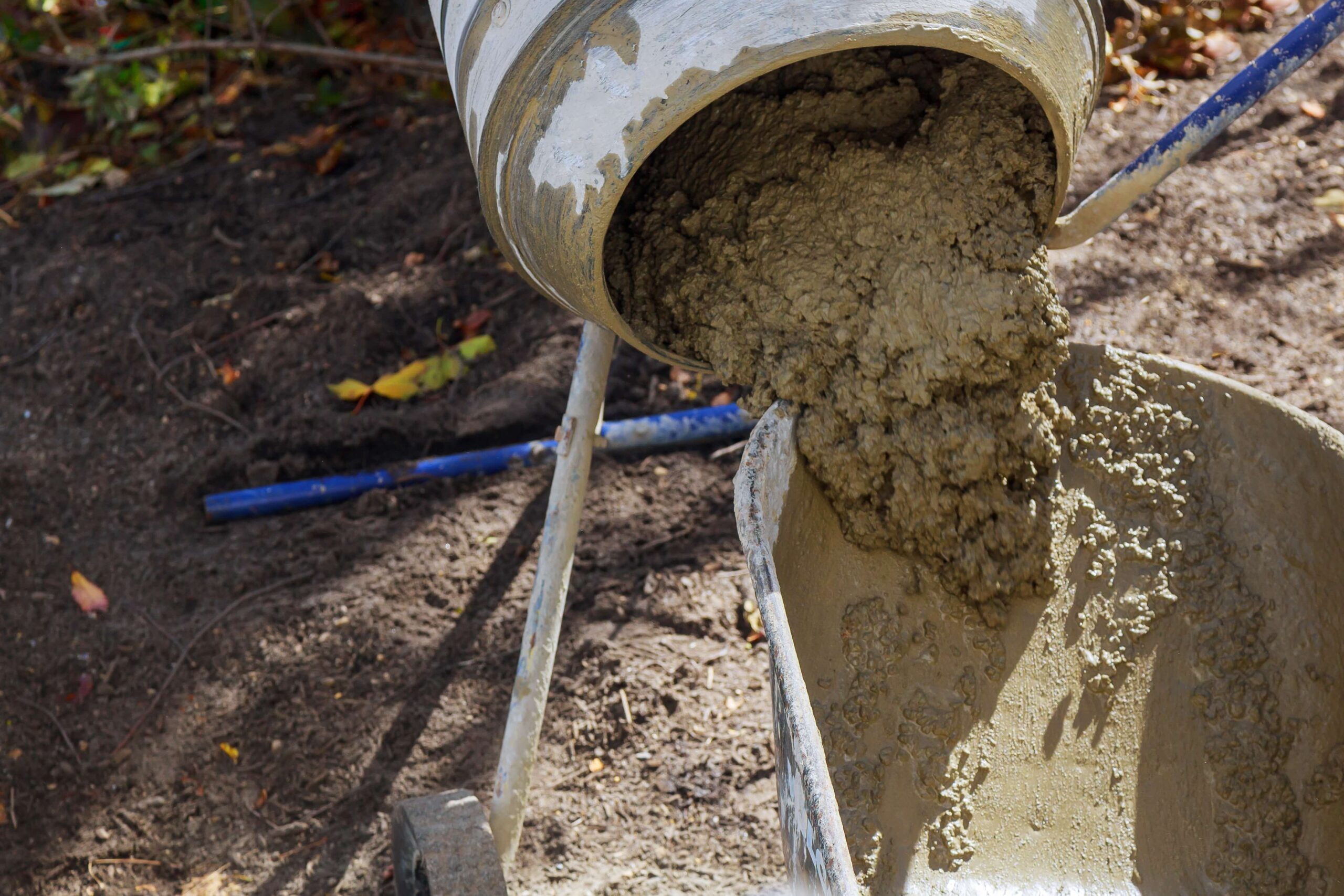
Concrete needs to be workable enough to place and finish correctly while still meeting the specification required for the project. One of the ways the workability of fresh concrete can be assessed is through concrete slump.
Slump describes how much freshly mixed concrete changes shape when tested under controlled conditions. It can provide an indication of the consistency and workability of a concrete mix before it is placed.
Understanding concrete slump is useful because different construction applications can have different workability requirements. This guide explains what concrete slump means, how a slump test works and why the correct consistency matters on site.
Key takeaways
- Concrete slump is used as an indication of the consistency and workability of fresh concrete.
- A higher slump generally indicates a more workable mix, but the correct slump depends on the concrete specification and application.
- Water should not simply be added on site to increase slump, as changing the water content can affect the properties of the concrete.
What is concrete slump?
Concrete slump is a measure used to assess the consistency and workability of fresh concrete.
In simple terms, it indicates how readily the concrete can move and deform before it begins to harden. This is important because concrete needs to be workable enough to place, compact and finish effectively for the intended application.
A mix with very low slump will generally be relatively stiff, while a mix with higher slump will generally be more workable.
However, a higher slump is not automatically better. The appropriate consistency depends on the concrete specification, how it will be placed and what it is being used for.
What is concrete workability?
Concrete workability describes how easily fresh concrete can be mixed, transported, placed, compacted and finished while remaining suitable for its intended use.
The required workability can vary considerably between projects.
For example, concrete being placed into straightforward, accessible formwork may have different requirements from concrete that needs to flow around more complex reinforcement or into a difficult area.
AMIX supplies ready mix concrete batched to specification and delivered ready for use. Selecting the appropriate mix before delivery helps ensure its characteristics suit the intended application.
What is a concrete slump test?
A concrete slump test is a standard method used to assess the consistency of fresh concrete.
The test uses a cone-shaped mould placed on a firm, level surface. Fresh concrete is placed into the mould and compacted in a controlled way. The mould is then carefully lifted vertically.
Once the cone has been removed, the concrete settles or “slumps”. The difference between the original height of the mould and the height of the concrete is measured.
The result provides an indication of the consistency of that particular sample of fresh concrete.
What does the concrete slump result tell you?
The result of a slump test provides useful information about the consistency of fresh concrete at the time it is tested.
If the measured slump differs significantly from what is expected for the specified mix, this may indicate that the concrete should be checked before placement.
However, slump should not be treated as a direct measurement of concrete strength.
Concrete strength depends on the mix specification, materials, water content, batching, placement, compaction, curing and other factors. Slump primarily provides information about fresh concrete consistency and workability.
Does higher concrete slump mean stronger concrete?
No. A higher concrete slump does not automatically mean stronger concrete.
Slump describes the consistency and workability of fresh concrete rather than its eventual compressive strength.
A highly workable mix can be appropriate for some applications, while a stiffer mix can be appropriate for others. What matters is that the concrete supplied meets the specification required for the project.
This is why choosing the right concrete should be based on the intended use and specification rather than simply requesting the highest or lowest possible slump.
Does a higher slump mean more water?
Not necessarily.
Increasing the water content of a conventional concrete mix can increase its workability, but modern concrete can also use admixtures to modify workability without simply adding more water.
AMIX states that a range of admixtures is available on request alongside its different concrete mixes.
The important point is that water should not simply be added to concrete on site in an attempt to make it easier to place. Altering the mix after batching can change its properties and may mean it no longer performs as specified.
Why is too much water in concrete a problem?
The amount of water in a concrete mix needs to be controlled.
Adding unnecessary water can alter the water-cement ratio and affect the hardened concrete. It may reduce strength and durability and can contribute to problems such as increased shrinkage.
If concrete appears more difficult to place than expected, the solution should not automatically be to add water.
The required workability should instead be considered when the concrete is specified and ordered so that the supplied mix is appropriate for the placement method and application.
Are there standard concrete slump values?
Concrete can be specified using different slump classes or target values depending on the requirements of the project.
There is not one concrete slump value that is suitable for every application.
The appropriate slump may depend on:
- The concrete specification
- Placement method
- Reinforcement
- Formwork
- Pumping requirements
- Compaction method
- Intended application
For this reason, a general slump value should not be selected simply because it is commonly used elsewhere.
Where a particular slump or workability class has been specified for a project, the concrete ordered should meet that requirement.
Does standard concrete have a particular slump?
There is no single slump that applies to every general purpose concrete project.
AMIX supplies standard concrete mixed to order for a range of domestic and light commercial applications, including foundations, slabs and footings. The company describes workability as one of the important characteristics of its standard concrete.
The required workability still depends on the individual project.
When ordering concrete, providing accurate information about the application and any specified requirements helps ensure the appropriate mix can be supplied.
Why slump matters when placing concrete
Concrete needs to reach the required area and be placed effectively before it begins to set.
If the consistency is unsuitable for the placement method, the work may become more difficult. This can be particularly important where concrete needs to be placed around reinforcement, into formwork or across a larger slab.
Workability should therefore be considered alongside:
- Concrete strength
- Application
- Reinforcement
- Placement method
- Access
- Finishing requirements
Planning these factors before the pour helps avoid trying to make unsuitable adjustments after the concrete arrives.
Concrete slump and reinforced concrete
Reinforced concrete applications can require particular attention to workability because fresh concrete needs to be placed effectively around the reinforcement specified within the structure.
The amount and arrangement of reinforcement can influence the requirements of the concrete and placement method.
The concrete specification should therefore be considered alongside the structural design rather than treating slump as a separate decision.
Where structural requirements apply, the specified concrete and reinforcement should follow the approved project design.
Can concrete slump change?
The characteristics of fresh concrete can change with time and conditions after batching.
Temperature, elapsed time and the concrete specification can all influence its workability. This is one reason why concrete should be placed promptly after it arrives on site.
AMIX advises customers to prepare access, formwork and labour before delivery so concrete can be placed without unnecessary delays.
Good planning helps ensure the concrete can be handled while it retains the workability intended for the pour.
Why concrete delivery planning matters
The correct concrete mix is only useful if the site is ready when it arrives.
Before concrete delivery, it is important to make sure:
- Vehicle access is clear
- Formwork is complete and secure
- Reinforcement is installed where specified
- The pour area is prepared
- Labour is ready
- Placement and finishing equipment is available
AMIX delivers concrete ready for immediate use, so these arrangements should be completed before the mixer truck arrives.
Delays after delivery can make placement more difficult as the characteristics of the fresh concrete change over time.
Choosing the right concrete for the job
Slump is only one characteristic to consider when ordering concrete.
The concrete also needs to provide the strength, durability, setting behaviour and other performance characteristics required for the application.
AMIX supplies mixes ranging from GEN1 to RC50, with mix designs available where required. It also offers fibres and admixtures for suitable applications.
Providing the correct project information when ordering helps ensure the concrete supplied is appropriate for both the finished structure and the way it will be placed.
Speak to the AMIX team
AMIX has supplied ready mix concrete across the North West since 1993.
The company supplies concrete batched to specification for domestic, trade and commercial projects, including foundations, slabs, footings, driveways, floors and groundworks.
If you are unsure about the concrete required for your project, the AMIX team can discuss the application, quantity, access and delivery requirements to help identify an appropriate mix.
Where a project has a specified slump, strength or structural requirement, this information should be provided when ordering.
Frequently asked questions
What does concrete slump mean?
Concrete slump is an indication of the consistency and workability of fresh concrete. It describes how much a concrete sample settles during a standard slump test.
What is a good slump for concrete?
There is no single slump value that is suitable for every concrete project. The appropriate slump depends on the mix specification, application, placement method and other project requirements.
Does high slump mean weak concrete?
Not automatically. Slump measures fresh concrete consistency rather than strength. However, adding excessive water simply to increase slump can adversely affect the properties of the hardened concrete.
How is a concrete slump test carried out?
Fresh concrete is placed into a standard cone-shaped mould and compacted in a controlled manner. The mould is lifted and the amount the concrete settles is measured to provide the slump result.
Can you add water to concrete to increase the slump?
Water should not simply be added on site to make concrete more workable. Changing the water content can alter the properties of the specified mix. Where particular workability is required, it should be considered when the concrete is ordered.
Can AMIX supply concrete to a specified mix?
Yes. AMIX states that its concrete is batched to specification and that it supplies mixes ranging from GEN1 to RC50, with mix designs available where required. The relevant project requirements should be provided when ordering.