
Strip foundations vs trench fill foundations: What’s the difference?
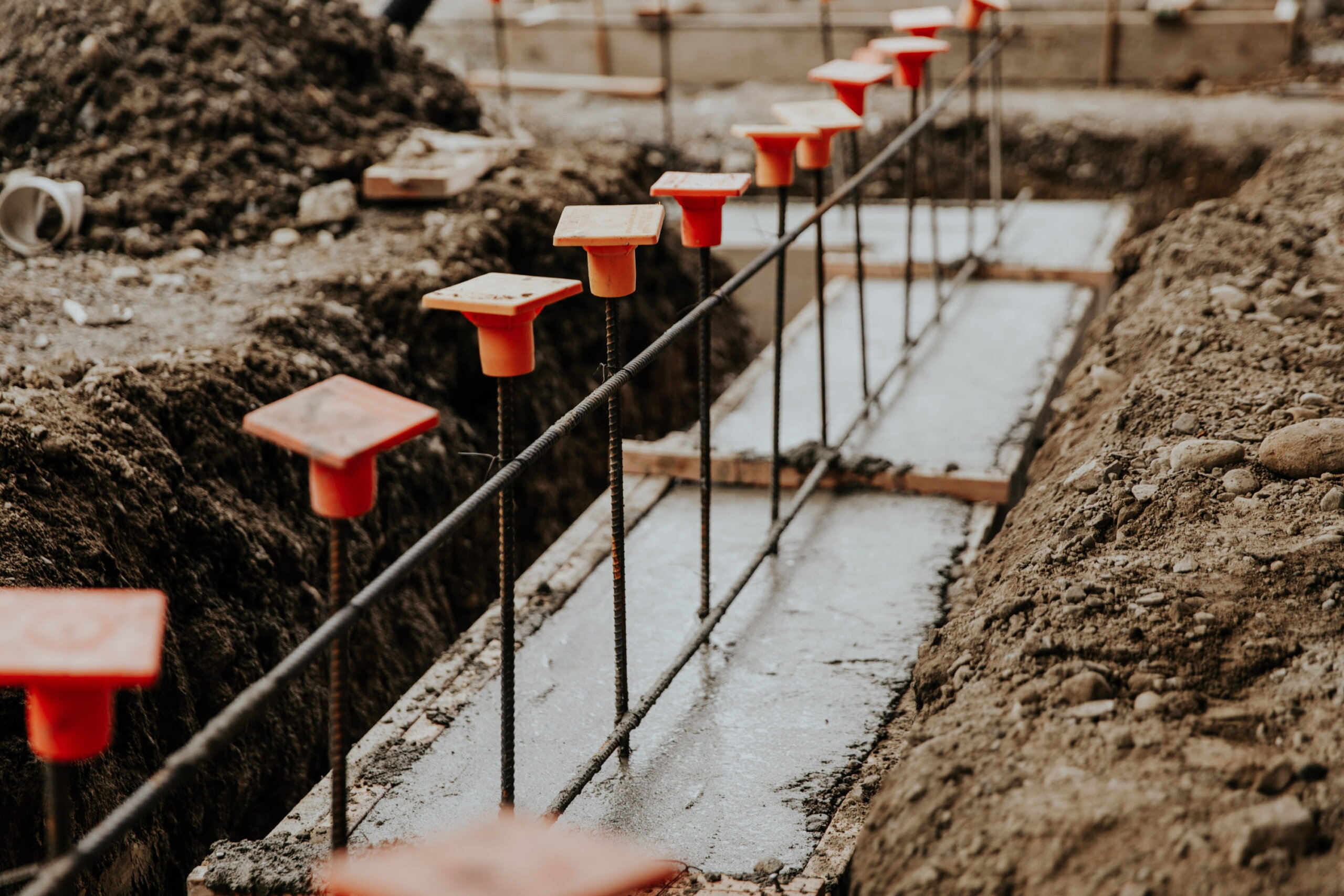
Choosing the right foundation is one of the first and most important decisions during a construction project. Foundations provide the stable base that supports the weight of a building, so selecting the right type is essential for long term performance.
In the UK, strip foundations and trench fill foundations are two of the most common house foundation types. While both are designed to support load bearing walls, they are constructed differently and may be better suited to different ground conditions and project requirements.
This guide explains the difference between strip and trench fill foundations, how they are typically used and why choosing the right ready mix concrete is an important part of the job.
Key takeaways
- Strip foundations and trench fill foundations are both widely used for domestic and commercial construction.
- The most suitable foundation depends on the approved design, ground conditions and the recommendations of Building Control or a structural engineer.
- Ready mix concrete helps provide a consistent, plant batched foundation for a wide range of construction projects.
What are strip foundations?
Strip foundations are one of the most widely used concrete foundation types for low rise buildings.
They consist of a continuous strip of concrete poured into the base of an excavation beneath load bearing walls. Once the concrete has been placed, brickwork or blockwork is built from the foundation up to ground level.
Strip foundations are commonly used for:
- House extensions
- New homes
- Garages
- Garden buildings
- Small commercial buildings
They are often suitable where ground conditions allow for relatively shallow excavations and the approved foundation design specifies this type of construction.
What are trench fill foundations?
A trench fill foundation follows a similar layout to a strip foundation, but much more of the trench is filled with concrete.
Instead of building foundation walls from the bottom of the excavation, ready mix concrete is placed to a level much closer to ground level before brickwork or blockwork begins.
This reduces the amount of below ground masonry required and can help improve efficiency during foundation construction.
Trench fill foundations are commonly used for:
- New build homes
- House extensions
- Commercial developments
- Projects requiring deeper excavations
- Sites where ground conditions influence foundation depth
Strip foundation vs trench fill foundation
Although both foundation types provide support for load bearing walls, there are some important differences.
| Strip Foundations | Trench Fill Foundations |
|---|---|
| Concrete forms the base of the trench | Concrete fills most of the trench |
| Typically requires less concrete | Usually requires more concrete |
| More below ground brickwork or blockwork | Less below ground brickwork or blockwork |
| Additional masonry work below ground | Reduced below ground masonry |
| Common for shallower foundation designs | Often used where deeper excavations are required |
Neither option is automatically better than the other. The correct choice depends on the approved design and the conditions on site.
How foundation depth affects the choice
Foundation depth is an important consideration when selecting between strip foundations and trench fill foundations.
The required depth can be influenced by:
- Soil type
- Ground conditions
- Nearby trees
- Drainage
- Existing structures
- The size and weight of the building
There is no standard foundation depth that suits every project. Building Control or a structural engineer will determine the appropriate depth based on the specific site and the proposed building.
Where deeper excavations are required, trench fill foundations are often selected because they reduce the amount of masonry needed below ground level.
Why ground conditions matter
Ground conditions play a major role in foundation design.
Stable ground with suitable bearing capacity may allow for traditional strip foundations, while other sites may require deeper excavations or a different approach depending on the approved design.
Factors that can affect foundation selection include:
- Clay soils
- Sandy soils
- Made ground
- Groundwater
- Tree roots
- Changes in ground level
Every building site is different, which is why foundation type should always be based on the approved design and the conditions found during excavation.
Why ready mix concrete is used for foundations
Whether a project uses strip foundations or trench fill foundations, the quality of the concrete is an important part of the finished foundation.
At AMIX, every load is individually batched at the plant to help provide the required strength and consistency for the specified application. This helps ensure concrete is supplied ready for placement without the need for on site mixing.
If you are planning foundation work, our team can also help you choose the most appropriate concrete for foundations and footings for your project.
Common mistakes to avoid
Foundation work should always follow the approved design and any Building Regulations requirements.
Before concrete is ordered, it is important to ensure:
- the excavation has been completed correctly
- inspections have been carried out where required
- the correct volume of concrete has been calculated
- access for the concrete vehicle has been confirmed
- formwork and the pour area are fully prepared
Planning ahead can help avoid delays on the day of the concrete pour and support a smoother construction process.
Which foundation is right for your project?
There is no single answer when comparing strip vs trench fill foundation designs.
Strip foundations remain a practical choice for many projects where the approved design allows for a traditional concrete strip and below ground masonry.
Trench fill foundations are often selected where deeper excavations are required or where reducing below ground brickwork helps improve the construction process.
The right solution should always be based on the approved plans, site conditions and professional recommendations.
Speak to the AMIX team
Whether your project uses strip foundations or trench fill foundations, choosing the right concrete helps provide a reliable base for the structure above.
AMIX has supplied ready mix concrete across the North West since 1993. Our team can help identify the appropriate concrete for your project and arrange delivery to suit your construction programme.
Frequently asked questions
What is the difference between strip foundations and trench fill foundations?
A strip foundation uses a concrete strip at the bottom of the excavation, while a trench fill foundation fills most of the trench with concrete before brickwork or blockwork begins above ground level.
Do trench fill foundations use more concrete?
Yes. Trench fill foundations generally require a larger volume of concrete because most of the excavation is filled with ready mix concrete.
Which foundation is cheaper?
The overall cost depends on the design and site conditions. Strip foundations may require less concrete, while trench fill foundations can reduce the amount of below ground masonry. The most suitable option should always be based on the approved design.
How deep should foundations be?
Foundation depth varies from project to project. Soil conditions, nearby trees, drainage and the building design all influence the required depth, which should be determined by Building Control or a structural engineer.
Are strip foundations stronger than trench fill foundations?
Both foundation types are suitable when designed and constructed correctly. Neither is inherently stronger than the other, as each is designed to suit specific site conditions and building requirements.
Can AMIX supply concrete for both foundation types?
Yes. AMIX supplies ready mix concrete for strip foundations, trench fill foundations and a wide range of other foundation applications across the North West.